

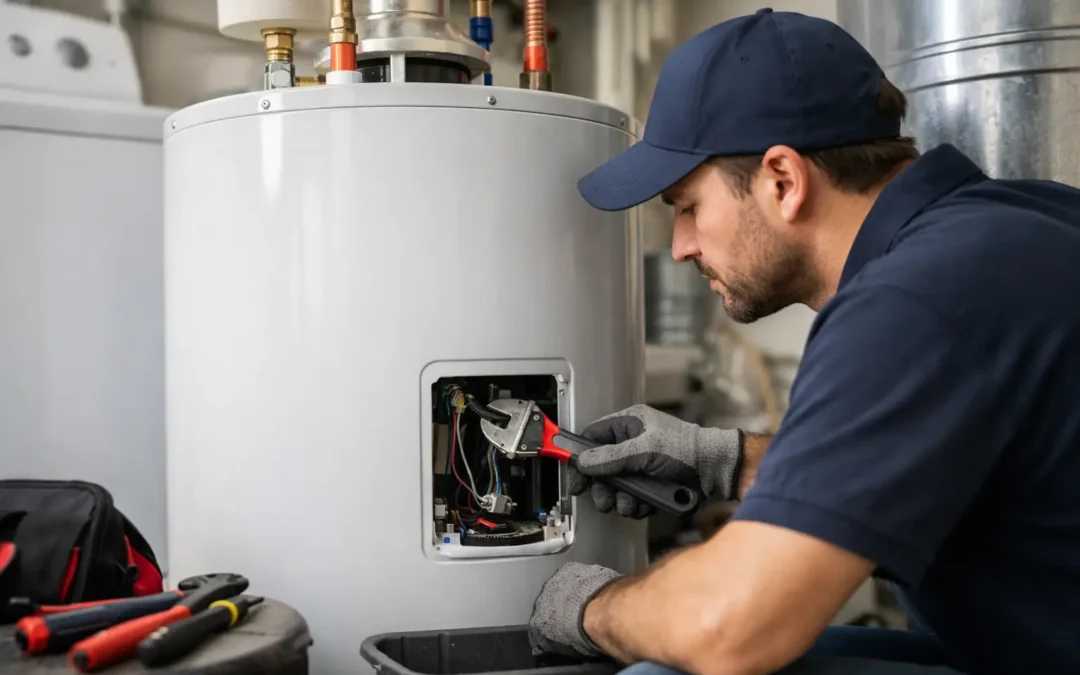
Hot water problems rarely show up at a convenient time. One morning the shower runs cold, the water heater starts making strange noises, or you notice moisture around the tank. If you need Chantilly water heater repair, the fastest path to relief is knowing what the symptoms mean, what you can safely check, and when it makes sense to bring in a trained technician.
For homeowners, property managers, and business owners, a water heater issue is more than an inconvenience. It affects daily routines, tenant satisfaction, cleaning, kitchens, laundry, and overall comfort. The right repair approach can restore performance quickly, but the wrong move can waste time, increase damage, or leave you paying for a temporary fix that does not last.
When chantilly water heater repair should not wait
Some issues can wait a day or two for a scheduled visit. Others deserve immediate attention. If you see water pooling around the unit, smell gas near a gas water heater, hear loud popping or banging, or lose hot water completely, it is smart to act quickly.
A leaking tank is especially urgent because the source matters. A loose connection or faulty valve may be repairable. A cracked tank usually is not. If the leak is coming from the tank body itself, replacement is often the more practical option.
Gas odor is another situation where caution comes first. Leave the area, avoid using electrical switches nearby, and contact the proper emergency resources before arranging service. Safety always outranks speed.
Common water heater problems and what they usually mean
Not every breakdown points to the same part. The symptoms often tell a clear story if you know what to look for.
No hot water at all can come from a failed heating element, a tripped breaker, a faulty thermostat, a pilot light issue, or a gas supply problem. Electric and gas systems fail in different ways, so proper diagnosis matters.
If the water gets warm but never truly hot, the thermostat may be set too low or one heating component may be underperforming. In some homes, sediment buildup also reduces heating efficiency and makes recovery slower.
Rust-colored water can point to internal corrosion, especially if it only appears on the hot side. In some cases, replacing the anode rod helps protect the tank. In others, corrosion has progressed too far for a meaningful repair.
Strange noises are often tied to sediment. As minerals settle at the bottom of the tank, the heater has to work harder. That leads to rumbling, popping, or banging sounds. Left alone, the extra strain can shorten the system’s life.
Inconsistent hot water is common in aging systems and busy households. It may be caused by a worn burner, heating element issues, thermostat trouble, or simply a heater that no longer matches the building’s demand.
What you can check before calling for service
A few basic checks can help you spot a simple issue. They can also give a technician useful information when you schedule an appointment.
Start with the thermostat setting. If it has been lowered accidentally, restoring the proper temperature may solve the problem. For electric units, check the breaker panel for a tripped breaker. For gas systems, see whether the pilot light is out, but only relight it if the manufacturer’s instructions allow it and you feel fully comfortable doing so.
Next, look around the base of the unit and nearby connections. A small drip from a fitting is different from water coming from the tank itself. Also pay attention to how old the unit is. If it is pushing past the typical service life, repair decisions change.
What you should not do is open gas components, disassemble electrical parts, or ignore a leak that keeps returning. Water heaters combine heat, pressure, fuel, and water in one appliance. That is not the place for guesswork.
Repair or replace? It depends on age, cost, and condition
This is the question most customers ask, and the honest answer is that it depends.
If the issue is isolated to a heating element, thermostat, igniter, valve, or other serviceable component, repair is often the right move. That is especially true when the unit is relatively young and has been maintained well.
If the tank is corroded, leaking from the body, or nearing the end of its expected lifespan, replacement may save more money over time. Paying for multiple repairs on an older heater can feel cheaper in the moment, but the costs can stack up quickly.
Usage also matters. A small residential tank serving a couple has different demands than a larger household or a commercial property with kitchens, restrooms, or tenant turnover. If hot water demand has changed, a replacement may solve both the current failure and the long-term performance problem.
A trustworthy technician should walk you through both paths clearly. You should know the repair cost, the expected remaining lifespan, and whether the unit is likely to need more work soon. Transparent pricing and straight answers matter here.
Tank and tankless systems need different repair strategies
Not all hot water systems fail the same way. Traditional tank water heaters and tankless units each have their own repair patterns.
Tank water heaters often run into sediment buildup, thermostat failure, leaking valves, burner problems, and worn anode rods. These are familiar issues, and many can be repaired efficiently if caught early.
Tankless systems tend to have different concerns, such as mineral scaling in the heat exchanger, ignition problems, venting issues, sensor faults, or flow-related performance problems. They are efficient and space-saving, but they also require proper maintenance and accurate troubleshooting.
That difference matters because a quick fix on the wrong component does not help. A provider experienced in both systems can diagnose the problem faster and reduce the chance of repeat service calls.
Why prompt service usually saves money
Waiting can turn a manageable repair into a larger problem. A minor leak can damage flooring, drywall, or nearby equipment. Sediment buildup can force the heater to work harder, raising utility costs before the unit finally fails. An unreliable water heater can also disrupt tenants, employees, or customers if you manage a commercial property.
Fast service is not just about convenience. It protects the rest of the building and helps you avoid the domino effect of delayed maintenance.
This is one reason local responsiveness matters. When a company understands the needs of Northern Virginia property owners and can respond quickly, you spend less time dealing with workarounds and more time getting back to normal.
What to expect from a professional water heater repair visit
A solid service visit should feel straightforward. The technician should inspect the unit, identify the cause of the issue, explain the options in plain language, and give you clear pricing before work begins.
In many cases, diagnosis includes checking electrical or gas components, thermostat performance, burner or element operation, venting, visible corrosion, pressure relief function, and signs of leakage. If sediment or maintenance neglect contributed to the failure, that should be explained too.
Good service is not just fixing the immediate problem. It is helping you understand the condition of the full system so you can make a smart next decision.
Aircon HVAC Solutions approaches water heater service that way – with attention to workmanship, speed, and clear communication. For customers, that means fewer surprises and more confidence in the repair.
How to reduce future water heater problems
No water heater lasts forever, but maintenance can improve performance and reduce surprise breakdowns. Periodic flushing helps manage sediment in many tank systems. Anode rod inspection can slow internal corrosion. Tankless units benefit from descaling when mineral content is high.
It also helps to pay attention to small warning signs. If hot water runs out faster than usual, the unit starts making new noises, or temperatures fluctuate, scheduling service early is often the better move. Those symptoms are easier and less expensive to address before they turn into complete failure.
For commercial properties and busy households, preventive maintenance is especially worthwhile. The more demand you place on the system, the more important it is to keep it operating efficiently and safely.
When your water heater acts up, the goal is not just to get hot water back for a day. It is to restore dependable performance in a way that makes sense for your home or property. If you need Chantilly water heater repair, a prompt professional evaluation can save time, limit damage, and help you make the right call with confidence.
