

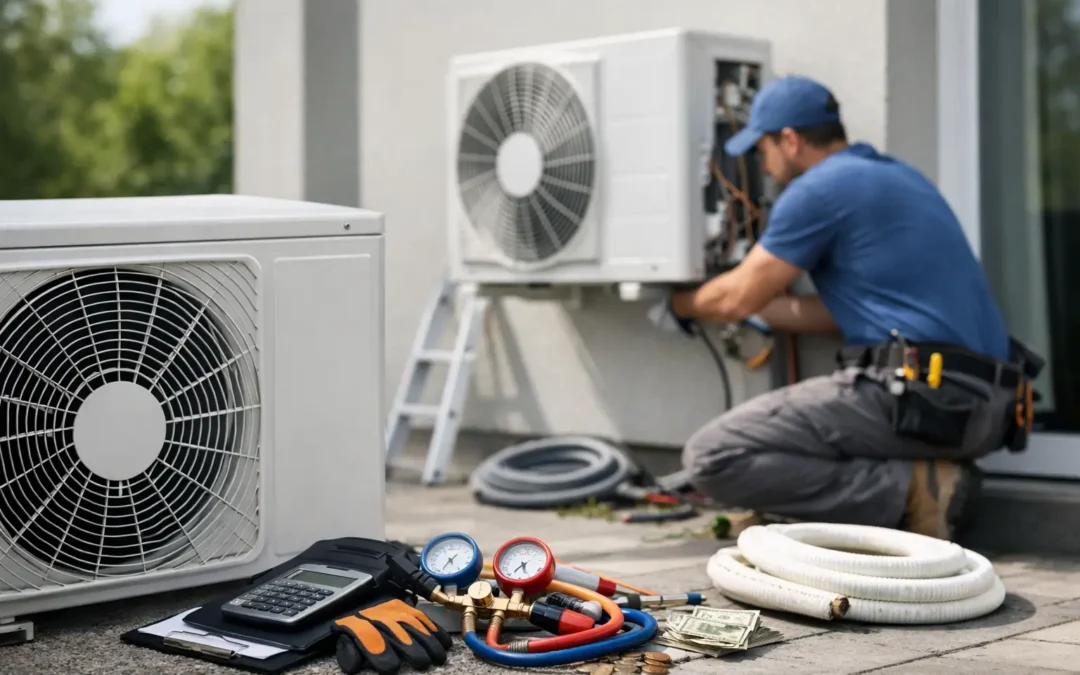
If you have started collecting estimates and the numbers are all over the place, you are not imagining it. An ac installation cost breakdown can vary quite a bit from one property to the next because the system itself is only part of the price. The layout of the home or building, the condition of existing equipment, energy goals, and local code requirements all shape the final total.
That is why the lowest quote is not always the best value, and the highest quote is not automatically the most complete. A useful estimate should show where your money is going and explain why certain items are necessary. When you can see the parts, labor, and job-specific upgrades separately, it becomes much easier to compare proposals with confidence.
What an AC installation cost breakdown usually includes
Most installation quotes include four main categories: equipment, labor, materials, and project-related extras. Equipment covers the outdoor condenser, indoor coil or air handler, and in some cases a thermostat. Labor includes removing old equipment, installing the new system, testing performance, and making sure it operates safely.
Materials often include refrigerant line components, drain piping, electrical connections, mounting hardware, and basic fittings needed to complete the job. Project-related extras are the items that can move pricing up or down, such as permit fees, duct modifications, electrical upgrades, or code corrections.
This is where many homeowners and property managers get tripped up. One company may bundle everything into a single number, while another may itemize every line. Neither approach is wrong, but if you want a true apples-to-apples comparison, you need to ask exactly what is included and what could change once work begins.
Equipment costs are usually the biggest piece
In any ac installation cost breakdown, the equipment itself is often the largest share of the total. System size matters here, but bigger is not always better. An oversized AC can cycle too quickly, waste energy, and leave humidity behind. An undersized system may run constantly and still struggle to keep up.
Proper sizing should be based on the square footage, insulation levels, window exposure, ceiling height, and overall heat load of the space. For homes and light commercial spaces in Northern Virginia, that matters even more because summers can be both hot and humid. A correctly sized system supports comfort, efficiency, and long-term equipment life.
Brand and efficiency rating also affect cost. Higher-efficiency systems usually cost more upfront, but they may reduce monthly energy use. That trade-off can make sense if you plan to stay in the property for years, but it may be less compelling if your main priority is keeping the initial investment lower.
Two-stage and variable-speed systems tend to cost more than basic single-stage models. In return, they often offer more even cooling, quieter operation, and better humidity control. For some customers, that extra comfort is well worth it. For others, a dependable standard-efficiency system is the better fit.
Split systems, heat pumps, and replacements
Not every project is a straightforward condenser swap. If you are replacing only one failed component, compatibility with the remaining system becomes a factor. In many cases, replacing both indoor and outdoor equipment together is the smarter move because matched systems usually perform better and avoid warranty issues.
Heat pump installations can also shift the price structure. They may cost more than a basic AC-only setup depending on the configuration, but they can provide both heating and cooling. For some properties, that makes them a practical long-term investment.
Labor costs depend on the complexity of the job
Labor is not just the time it takes to place a new unit and turn it on. Quality installation involves removal of old equipment, safe refrigerant handling, setting and leveling the outdoor unit, connecting electrical and drain lines, installing or modifying indoor components, testing airflow, checking refrigerant charge, and verifying system performance.
A clean replacement where the new system closely matches the old setup will usually cost less in labor than a job that requires major changes. If technicians need to relocate equipment, work in tight attic spaces, adjust refrigerant lines, or correct older installation problems, labor costs naturally increase.
Commercial jobs can vary even more. Roof access, crane coordination, building occupancy, scheduling restrictions, and code compliance can all affect installation time and pricing. For property managers, this is one reason detailed scopes matter so much. The quote should reflect how the work will actually be completed, not just what equipment is being installed.
Ductwork, airflow, and hidden issues can change the price
One of the biggest variables in an ac installation cost breakdown is whether the existing duct system is in good condition. If ductwork is leaking, poorly sized, crushed, or contaminated, a new AC system may never deliver the comfort and efficiency you expect.
Sometimes the fix is minor, like sealing a few connections or adjusting airflow at key runs. Other times, sections of ductwork need to be replaced or redesigned. That can add significantly to the project total, but it may also solve the very comfort problems that prompted the installation in the first place.
Airflow issues also show up in older homes and additions where the original system was never properly balanced. Hot upstairs rooms, weak airflow in certain zones, and excess indoor humidity are signs that the equipment may not be the only issue. A contractor who checks static pressure, duct condition, and return air design is doing more than selling a box. They are looking at the full comfort system.
Permits, code updates, and electrical work
Permits and inspections are not the most exciting part of a project, but they matter. A properly permitted installation helps confirm that the work meets local requirements and is completed safely. In many cases, permit fees are included in the quote, though not every estimate makes that obvious.
Code updates can also affect cost. If an older system was installed years ago, current standards may require changes to disconnects, drain protection, line set insulation, or equipment clearances. These are not optional extras when they are needed for compliance and safe operation.
Electrical work is another common variable. Some systems can use the existing circuit with minor updates, while others need a new disconnect, breaker changes, or wiring upgrades. If the panel is full or outdated, the cost may rise further. This is exactly why a site visit matters. A real estimate should be based on what is actually in place, not a guess over the phone.
Optional upgrades that may be worth it
Some installation add-ons genuinely improve comfort and performance. Others are situational. A smart thermostat can help with scheduling and efficiency. A new media filter or air purifier may be useful if indoor air quality is a concern. A dehumidification upgrade can make a noticeable difference in humid climates where temperature is only part of the comfort issue.
That said, not every home or building needs every upgrade. The right contractor should explain the benefit of each option without pressuring you into features that do not solve a real problem. Clear recommendations build trust. Overselling does the opposite.
Warranties and maintenance plans
Warranty coverage can also influence value. A lower quote may look attractive until you realize it includes limited labor protection or leaves out registration details that affect manufacturer coverage. It is worth asking what warranty applies to equipment, installation workmanship, and any follow-up adjustments.
Maintenance plans are separate from installation, but they can protect your investment. Regular tune-ups help catch issues early, support efficiency, and keep the system operating as intended over time.
How to compare quotes without missing the fine print
When reviewing proposals, look beyond the top-line number. Ask whether the quote includes removal and disposal of old equipment, permit fees, thermostat replacement, drain line upgrades, startup testing, and any necessary code corrections. If ductwork or electrical updates are listed as allowances or not included, make sure you understand the potential range.
It also helps to ask how the system was sized. If one company measured the home, reviewed insulation and duct conditions, and explained capacity choices, that estimate usually deserves more weight than one based only on square footage or the old unit size.
A strong proposal should feel clear, not vague. If you are being asked to make a major comfort investment, you should know what you are paying for and why. That is part of transparent service, and it matters as much as the equipment brand on the label.
For homeowners and property managers who want fewer surprises, working with a licensed, insured contractor with clear pricing practices can make the process much smoother. Aircon HVAC Solutions approaches installation that way because long-term comfort starts with doing the job right, not rushing through the quote.
The best estimate is not always the cheapest one. It is the one that gives you a realistic view of the work, fits your property, and supports reliable comfort after the installers leave.
