

A January cold snap can turn a heating decision into an urgent one. If your current system is unreliable, loud, or expensive to run, the furnace versus heat pump question is not about choosing the newest equipment. It is about choosing dependable comfort for your home, your budget, and the way you use your space.
Northern Virginia homes need heating systems that can manage damp winter days, freezing overnight temperatures, and the occasional stretch of serious cold. Both furnaces and heat pumps can do that well when they are properly selected, installed, and maintained. The better choice depends on your fuel options, home layout, existing equipment, and priorities.
Furnace Versus Heat Pump: The Core Difference
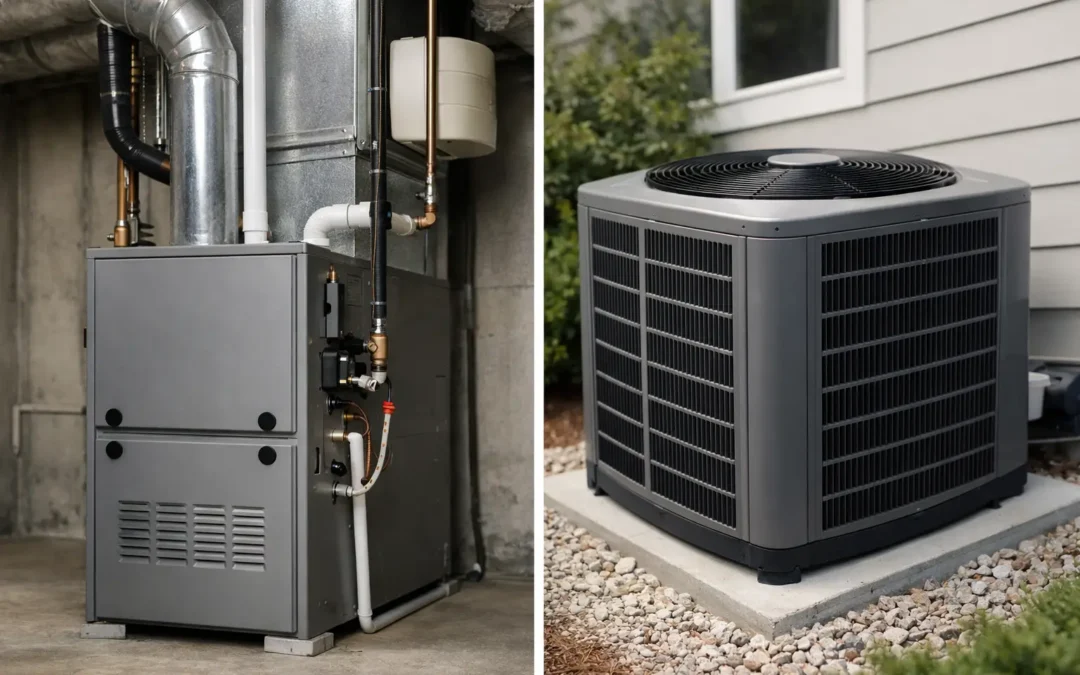
A furnace creates heat. Most residential furnaces burn natural gas, though some use propane or oil. The furnace warms air in a heat exchanger, then a blower sends that air through the ductwork. Gas furnaces are known for delivering strong, fast heat, particularly when outdoor temperatures are well below freezing.
A heat pump moves heat rather than generating it through combustion. In heating mode, it pulls available heat from outdoor air and transfers it indoors. In cooling mode, it reverses direction and works like an air conditioner, moving indoor heat outside. That means one heat pump can provide both heating and cooling.
This distinction shapes nearly every practical difference. A furnace generally needs a separate central air conditioner for summer comfort. A heat pump combines both functions, but its cold-weather performance and operating cost should be evaluated carefully for the specific home.
When a Furnace Makes Sense
A high-efficiency gas furnace is often a strong fit for homeowners who already have dependable natural gas service and ductwork in place. It can replace an aging furnace without requiring a major change to the home’s heating approach. For many households, that can keep installation straightforward.
Furnaces also provide very warm supply air. Homeowners who are used to the noticeable warmth coming from floor registers often appreciate that familiar feel. During the coldest Virginia nights, a properly sized gas furnace can maintain indoor temperature without relying on electric backup heat.
There are trade-offs. A furnace does not cool your home, so you will need a separate air conditioner if central cooling is part of the plan. Gas combustion equipment also requires professional installation, venting, safety checks, and routine maintenance. The system should be inspected annually to support safe, efficient operation and help catch issues before they interrupt heat.
A furnace may be the practical choice when your current AC system is still in good condition, gas costs are favorable, or your home has comfort challenges that call for powerful cold-weather heating. It can also be a sensible replacement when an existing gas furnace fails and a full system redesign is not the right move.
When a Heat Pump Makes Sense
Modern heat pumps have come a long way from the systems many homeowners remember. Today’s variable-speed and cold-climate models can heat efficiently at lower outdoor temperatures than older designs could handle. They also tend to provide steady, even comfort rather than the more pronounced on-and-off cycles of some traditional systems.
The biggest advantage is year-round operation. Instead of purchasing and maintaining a separate furnace and air conditioner, you have one primary system for both seasons. That can be especially appealing when both heating and cooling equipment are nearing the end of their service life.
Heat pumps are powered by electricity and do not burn fuel inside the home. For homeowners looking to reduce direct gas use, that can be an important consideration. Their efficiency can also lead to lower heating costs during mild and moderately cold weather because moving heat requires less energy than creating it.
Still, heat pump savings are not automatic. Electricity rates, insulation levels, thermostat habits, duct condition, and the efficiency of the equipment all affect real-world costs. When temperatures drop far enough, many heat pumps use supplemental electric heat or another backup source. Electric resistance backup is effective, but it can be expensive to operate if it runs frequently.
Cold Weather Performance in Northern Virginia
Winter conditions in Bristow, Manassas, Fairfax, and surrounding communities are not the same as those in a consistently mild climate or a northern mountain region. Northern Virginia often sits in the middle: many winter days are suitable for efficient heat pump operation, while a few cold spells test the limits of poorly selected or poorly installed equipment.
That is why equipment sizing matters more than a simple brand comparison. An oversized heat pump may cycle too often, create uneven temperatures, and remove less humidity in summer. An undersized system may struggle during extreme cold. The same principle applies to furnaces. Bigger is not automatically better.
A qualified HVAC assessment should consider square footage, insulation, window quality, ductwork, ceiling height, air leakage, and the home’s actual heating load. It should also review whether your electrical panel, gas line, flue, and existing ducts can support the chosen system. A reliable recommendation is based on your home, not a quick estimate based only on its size.
Consider a Dual-Fuel System
For some homes, the best answer is not strictly a furnace or strictly a heat pump. A dual-fuel system pairs an electric heat pump with a gas furnace. The heat pump handles heating during milder weather and provides cooling in summer. When outdoor temperatures fall to a set point where gas heat is more effective or economical, the furnace takes over.
This approach can offer efficient performance across changing conditions while preserving the confidence of gas heat during the coldest periods. It is often worth considering when replacing both an AC unit and furnace, especially for homeowners who have natural gas available and want more flexibility.
The trade-off is higher initial equipment cost and more planning. The controls must be set up correctly, and the system needs to be designed as a matched combination. Done well, however, dual fuel can be a practical long-term comfort solution for this region.
Upfront Cost Is Only Part of the Decision
A furnace replacement can cost less upfront if the air conditioner is newer and can remain in service. A heat pump may be more cost-effective when it replaces both an aging air conditioner and heating system at once. Installation complexity also matters. Electrical upgrades, gas piping changes, venting modifications, duct repairs, and thermostat replacement can all affect the final investment.
Operating costs deserve equal attention. Ask for an estimate that explains the expected efficiency of the equipment, likely backup heat use, and any recommended home improvements. Sealing duct leaks or adding insulation may deliver better comfort and lower energy use regardless of which system you choose.
Do not base the decision on a single efficiency rating. High ratings are valuable, but the equipment must be correctly sized, installed with attention to airflow and refrigerant charge, and maintained over time. Quality workmanship often has as much impact on comfort as the model printed on the proposal.
Comfort, Noise, and Indoor Air Quality
Both system types can support good indoor air quality when paired with the right filtration, humidity control, and ventilation strategy. A furnace or heat pump alone cannot solve every dust, allergy, moisture, or stale-air concern, but the HVAC system is the foundation for addressing them.
Heat pumps with variable-speed operation can provide long, quieter cycles and more consistent temperatures. Furnaces can also operate quietly when properly installed, though blower and burner operation may be more noticeable depending on the model and location. If certain rooms are always too hot or cold, discuss zoning, duct adjustments, or airflow issues before assuming new equipment alone will fix the problem.
For property managers and commercial clients, the same principle applies on a larger scale. Equipment reliability, service access, occupancy patterns, ventilation needs, and maintenance planning should guide the choice. The lowest initial price is rarely the lowest long-term cost when comfort complaints or unplanned downtime become frequent.
Make the Choice With a Home-Specific Evaluation
The right heating system should fit your home instead of forcing your home to adapt to it. Before committing, ask how the proposed equipment handles cold-weather backup, what work is needed beyond the unit itself, how it will integrate with your thermostat and ducts, and what maintenance it requires. Clear answers help you compare proposals fairly.
Aircon HVAC Solutions can evaluate your existing system, explain the practical options without unnecessary complexity, and provide transparent recommendations for your comfort goals. Whether you choose a furnace, heat pump, or dual-fuel setup, the most valuable result is dependable heat when you need it and a system you can rely on through every season.
