

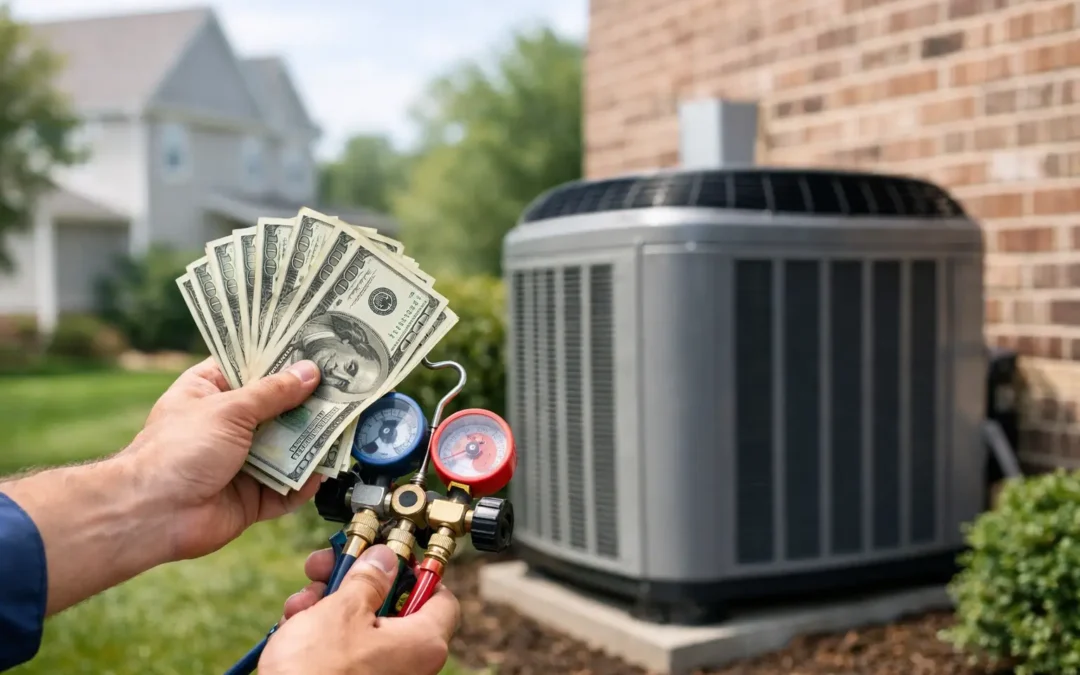
Sticker shock hits fast when you price a new heat pump, high-efficiency AC, or water heater. That is why northern virginia hvac rebates matter. They can reduce upfront costs, make better equipment more practical, and help homeowners and property managers choose systems that save money over time instead of just settling for the lowest initial bid.
The catch is that rebates are rarely as simple as “buy this unit, get this amount.” Eligibility often depends on the equipment type, efficiency rating, fuel source, installation details, and who is offering the incentive. Utility programs, manufacturer promotions, and broader energy-efficiency initiatives may all play a role. If you are replacing failing equipment in a hurry, it is easy to miss savings just because the paperwork or timing was off.
How northern virginia hvac rebates usually work
Most HVAC rebates are designed to encourage higher-efficiency upgrades. In practical terms, that usually means incentives for qualifying heat pumps, air conditioners, furnaces, smart controls, ductless systems, or water heaters. Some programs focus on electric efficiency, while others reward replacing older systems that waste energy.
In Northern Virginia, the rebate amount can vary widely. One program may offer a modest incentive for a qualifying thermostat or tune-up measure, while another may provide a more meaningful amount for installing a high-efficiency heat pump or heat pump water heater. Manufacturer promotions can also appear seasonally, especially during slower installation periods or around major replacement campaigns.
This is where homeowners often get tripped up. A unit can be efficient without meeting a specific rebate threshold. A system can also qualify on paper but lose eligibility if it is not installed according to program requirements. That is one reason working with a qualified local contractor matters. Good installation affects comfort, efficiency, and whether the project checks all the right boxes.
Which upgrades may qualify for rebates
The most common rebate-eligible projects are full system replacements, not quick repairs. If your existing AC is struggling, your furnace is aging, or your heat pump can no longer keep up, replacement may open the door to incentives that a repair never would.
Heat pumps and dual-fuel systems
Heat pumps are often at the center of today’s rebate conversations. They can heat and cool in one system, and newer models are far more capable than many older units people still have in their homes. Because they support energy-efficiency goals, they are frequently included in incentive programs.
That does not mean every home should automatically switch. The right fit depends on your current setup, insulation, ductwork, electrical capacity, and comfort expectations during winter. In some homes, a dual-fuel arrangement makes more sense than going all-electric. Rebates can help narrow the cost gap, but the best choice still depends on the property.
Central air conditioners and furnaces
Traditional split systems may also qualify when the equipment reaches certain efficiency levels. If you are replacing both indoor and outdoor components together, you may have a better chance of meeting rebate standards than if you replace one piece at a time. Matching equipment matters.
For commercial spaces and larger residential properties, sizing is especially important. Bigger equipment is not automatically better. An oversized system can short cycle, waste energy, and create humidity issues. A rebate is helpful, but not if it pushes you toward the wrong setup.
Ductless mini-splits
Ductless systems can be a smart option for additions, older homes, finished garages, sunrooms, and areas with uneven temperatures. Rebate programs sometimes include ductless heat pumps because of their efficiency and zoning advantages.
They are not ideal for every whole-home application, but they can solve specific comfort problems without major duct modifications. If part of your home is always too hot or too cold, a rebate-backed ductless upgrade may be worth a closer look.
Water heaters and comfort-related upgrades
Some homeowners searching for HVAC rebates are really looking at total home efficiency. In that case, high-efficiency water heaters, especially heat pump water heaters, may come into play. Depending on the program, there may also be incentives tied to ventilation, controls, or other energy-saving improvements.
The key is to look at the system as a whole. If your heating, cooling, and hot water equipment are all aging at the same time, a coordinated upgrade may create better long-term value than replacing each item separately under pressure.
Where rebate savings usually come from
When people ask about northern virginia hvac rebates, they are often assuming there is one local program with one set of rules. In reality, savings may come from several different sources.
Utility-backed incentives are common and often have the most detailed qualification rules. These may require approved equipment lists, licensed installation, and specific documentation after the work is completed. Manufacturer rebates tend to be more promotional and time-sensitive. They can be useful, but they may start and end quickly. There are also broader energy-efficiency incentives that can change as policies and funding priorities change.
That means timing matters. If your system fails in the middle of a heat wave or a winter cold snap, waiting too long can create comfort and safety problems. But moving too fast without checking available incentives can cost you money. The best approach is usually to verify current options while the estimate is being prepared, not after the installation is done.
What to check before you count on a rebate
Not every advertised offer applies to every project. Before you build a budget around a rebate, ask a few practical questions.
First, confirm the exact model and efficiency ratings being proposed. General terms like “high efficiency” are not enough. Programs usually require specific performance levels.
Second, ask whether the rebate applies to equipment only or to the full installed system. Some incentives depend on matching components, testing, or proof that the system was installed by a licensed contractor.
Third, find out who submits the paperwork. In some cases the contractor handles it. In others, the customer must file documents after installation. Missing one form or deadline can wipe out the savings.
Fourth, ask how the rebate is delivered. Some are instant discounts. Others come later as prepaid cards, checks, or account credits. If cash flow matters, that difference matters too.
Why the cheapest option can cost more
It is tempting to compare HVAC quotes based only on price, especially when replacement is unexpected. But the lowest proposal is not always the lowest real cost. A cheaper system with lower efficiency may miss out on rebates, cost more to run, and provide less consistent comfort over the next ten to fifteen years.
That does not mean the most expensive system is always the right answer either. Some homes will never see enough energy savings to justify premium equipment tiers. This is where honest guidance matters. You want a recommendation based on your home, your usage, and your budget, not a one-size-fits-all sales pitch.
A reliable contractor should be able to explain the trade-offs clearly. If one system costs more upfront but qualifies for stronger incentives and lowers utility bills, that may be worth it. If another option is simpler, dependable, and better suited to how long you plan to stay in the property, that may be the smarter investment.
Rebate planning works best before your system fails
The best time to explore rebates is before you are dealing with an emergency. When your AC quits during a July heat wave or your heating system fails on a freezing night, the priority is getting comfort restored quickly. Under that kind of pressure, homeowners often choose whatever can be installed fastest.
Planning ahead gives you more control. If your system is older, needs frequent repairs, or struggles to maintain temperature, it may be time to start evaluating replacement options now. Even if you do not move forward immediately, you will understand what equipment makes sense for your space and what incentives may be available when the time comes.
For property managers and commercial clients, this matters even more. Budgeting for replacements in advance can reduce tenant disruption, avoid emergency pricing, and make it easier to capture available rebate savings on larger projects.
How to make the process easier
If you are considering a system upgrade, start with a professional assessment instead of shopping by equipment label alone. The right recommendation should take into account square footage, insulation, duct condition, existing utility setup, and any comfort issues you have been living with.
From there, ask for a proposal that clearly outlines the equipment being recommended, the expected efficiency level, and any rebate opportunities that may apply. A dependable local team should be able to walk you through the real numbers and explain where savings are likely, where they are uncertain, and what paperwork is required.
That kind of guidance helps you avoid two common mistakes: waiting too long and rushing into the wrong system. Aircon HVAC Solutions works with Northern Virginia homeowners and businesses that want clear answers, quality workmanship, and comfort decisions they can feel good about long after installation day.
Rebates are worth paying attention to, but they are only valuable if the system behind them is the right fit for your property. The best savings come from combining available incentives with careful installation, dependable performance, and comfort that holds up season after season.
