

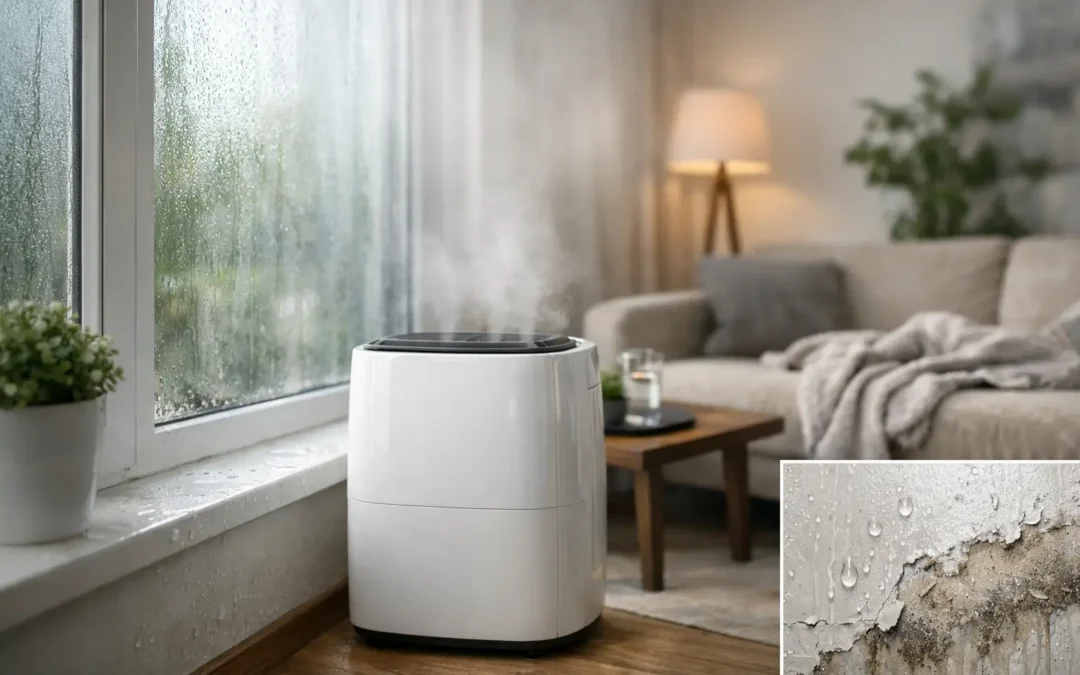
You notice it in small ways first. The air feels sticky even with the AC running. Windows look foggy in the morning. Towels stay damp, and that musty smell starts showing up in a bathroom, basement, or closet. If you’re asking, why is my house humidity so high, the answer usually comes down to moisture getting in faster than your home can remove it.
Indoor humidity is not just a comfort issue. When it stays too high for too long, it can affect air quality, strain your cooling system, and create conditions for mold, mildew, and wood damage. For most homes, a healthy indoor humidity range is around 30% to 50%. Once you get much above that, the problem is worth tracking down.
Why is my house humidity so high even with AC on?
A lot of homeowners assume air conditioning should solve humidity automatically. Sometimes it does. Sometimes it only cools the air without removing enough moisture, especially if something else in the home is working against it.
Your AC removes humidity as part of the cooling process, but it has limits. If the system is oversized, it may cool your home too quickly and shut off before it has time to pull enough moisture from the air. If it is undersized, dirty, low on refrigerant, or dealing with airflow issues, it may run longer and still struggle to control indoor moisture.
Humidity can also come from sources the AC was never meant to handle on its own. A damp crawl space, an unvented bathroom, a basement leak, or outside air sneaking in through gaps and ducts can keep indoor moisture levels high no matter how low the thermostat is set.
Common reasons your home feels too humid
High indoor humidity usually has more than one cause. That is why some homes need a simple fix, while others need a broader indoor air quality solution.
Poor bathroom, kitchen, or laundry ventilation
Daily routines add a surprising amount of moisture indoors. Hot showers, boiling water, and clothes dryers all release water vapor into the air. If bathroom fans do not vent properly, kitchen exhaust is weak, or the dryer vent is blocked or leaking, that moisture stays inside.
This issue often shows up as fogged mirrors that linger, damp walls, or a muggy feeling after cooking or laundry. On its own, it may seem minor. Over time, it can raise humidity throughout the house.
Air leaks and duct leaks
In humid weather, outdoor air does not need much help getting indoors. Gaps around doors, windows, attic penetrations, and older weatherstripping can all let moisture enter. Leaky ductwork can make the problem worse by pulling humid air from attics, crawl spaces, or wall cavities into the system.
This is one of those problems that depends on the home. Newer homes can trap humidity if ventilation is poor. Older homes often bring in too much outdoor air through hidden leaks.
AC system problems
If your air filter is clogged, evaporator coil is dirty, drain line is restricted, or blower settings are off, your system may not dehumidify the way it should. Refrigerant issues can also reduce performance. Even if the house reaches the set temperature, the air can still feel damp.
Oversized equipment is another common issue. Bigger is not always better with air conditioning. When a system short cycles, it sacrifices moisture removal for quick temperature drops.
Basement or crawl space moisture
Basements and crawl spaces are frequent sources of hidden humidity. Water can enter through foundation walls, floor cracks, poor grading, or plumbing leaks. Even when standing water is not obvious, damp materials can release moisture into the home for days or weeks.
If your main living areas feel humid and the basement smells musty, the moisture may be starting below your feet. In many Northern Virginia homes, this is a major contributor during warmer months.
Roof, plumbing, or appliance leaks
Not all humidity problems come from the air itself. Sometimes excess moisture is tied to a slow leak behind a wall, under a sink, around a water heater, or near the roofline. A small leak can quietly raise humidity and create mold-friendly conditions before visible water damage appears.
This is where high humidity becomes more than an HVAC problem. It becomes a home protection issue.
A whole-house dehumidifier may be needed
Some homes produce or collect more moisture than standard air conditioning can reasonably remove. This is especially true in larger homes, homes with finished basements, tightly sealed newer homes, or properties with recurring moisture from occupancy, pets, cooking, and outdoor infiltration.
If the AC is working properly and humidity is still high, a dedicated dehumidification system may be the right next step.
Signs high humidity is becoming a bigger problem
A slightly sticky room after a shower is normal. A house that feels damp day after day is not. Watch for condensation on windows, mildew smells, warped wood, peeling paint, clammy air, and increased allergy symptoms. You may also notice mold spots near vents, on ceilings, or around windows.
Another clue is comfort that never seems right. If you keep lowering the thermostat but still feel uncomfortable, excess humidity may be the real issue. Humid air feels warmer, so the house can seem hot even when the temperature setting looks fine.
How to figure out what is causing it
Start with measurement, not guesswork. A simple hygrometer can tell you whether your humidity is actually high and help you see patterns by time of day or weather conditions. If levels are consistently above 50% to 55%, it is time to look deeper.
Next, pay attention to where the problem is strongest. If bathrooms stay damp, focus on exhaust and ventilation. If the basement feels wet, look for drainage or foundation issues. If the whole house feels muggy, your HVAC system, ductwork, or infiltration may be the bigger story.
It also helps to notice when humidity spikes. If it gets worse when the AC runs, the system may not be removing moisture properly. If it gets worse after rain, the issue may be related to leaks, drainage, or crawl space conditions.
What you can do right away
A few practical steps can help reduce indoor humidity while you narrow down the cause. Use bathroom fans during and after showers. Run the kitchen exhaust when cooking. Check that your dryer vent is clean and venting outdoors. Replace a dirty HVAC filter if it is overdue. Keep basement doors and windows closed during very humid weather rather than trying to air the space out.
If you have a portable dehumidifier, use it in the dampest area and monitor the results. This can improve comfort quickly, but it is usually a support measure, not a full solution, if the moisture source is still active.
You should also check for obvious warning signs such as water stains, clogged condensate drains, standing water near the foundation, or disconnected ductwork in accessible areas.
When it is time to call a professional
If humidity stays high for more than a few days, keeps coming back, or is affecting multiple rooms, a professional inspection is the smart move. The real value is not just getting a reading. It is identifying why the moisture is there and what combination of fixes will solve it.
That may mean AC repair, airflow adjustments, duct sealing, ventilation upgrades, or installing a whole-house dehumidifier. In some cases, the right fix is outside the HVAC system, such as correcting drainage, sealing a crawl space, or finding a plumbing leak. Good diagnostics matter because treating the symptom alone often leads to repeat problems.
For homeowners who want dependable answers instead of trial and error, Aircon HVAC Solutions helps identify humidity issues at the system level and recommend practical next steps based on how the home is actually performing.
Why high humidity should not wait
High humidity is easy to put off because it often starts as a comfort complaint, not an emergency. But moisture has a way of spreading its effects. It can shorten equipment life, encourage mold growth, damage finishes, and make your home harder to cool efficiently.
The good news is that humidity problems are usually solvable once the source is clear. Some fixes are simple. Others involve your HVAC system, ventilation, or moisture control strategy working together. Either way, the goal is the same: air that feels comfortable, cleaner, and easier on your home every day.
If your house keeps feeling damp, trust that instinct. Comfortable air should not feel sticky, and your home should not have to fight moisture all season long.
