

Running out of hot water halfway through a shower gets old fast. A tankless water heater review is really about one question: will this upgrade give you more comfort without creating new problems in your home?
For many homeowners, the answer is yes – but not always for the reasons marketing claims. Tankless systems can deliver long hot showers, free up space, and reduce standby energy loss. They can also come with a higher upfront cost, stricter installation requirements, and performance limits if the unit is not sized correctly. That is where a realistic review matters.
Tankless water heater review: what actually stands out
The biggest advantage of a tankless system is consistency. Instead of storing a set amount of heated water in a tank, it heats water as it flows through the unit. In practical terms, that means your household is less likely to run out of hot water during back-to-back showers, laundry cycles, or busy mornings.
That does not mean unlimited hot water in every situation. A tankless unit has a flow rate limit. If three or four fixtures are calling for hot water at the same time, the system may struggle unless it was selected for that level of demand. A family of five will not have the same needs as a one-bath condo, and a commercial property has an entirely different usage pattern.
Another strong point is efficiency. Traditional tank heaters lose heat while they sit full of water, even when no one is using it. Tankless systems avoid much of that standby loss. Over time, that can lower utility costs, especially in homes with moderate to high hot water use. The savings are real, but they are usually gradual rather than dramatic.
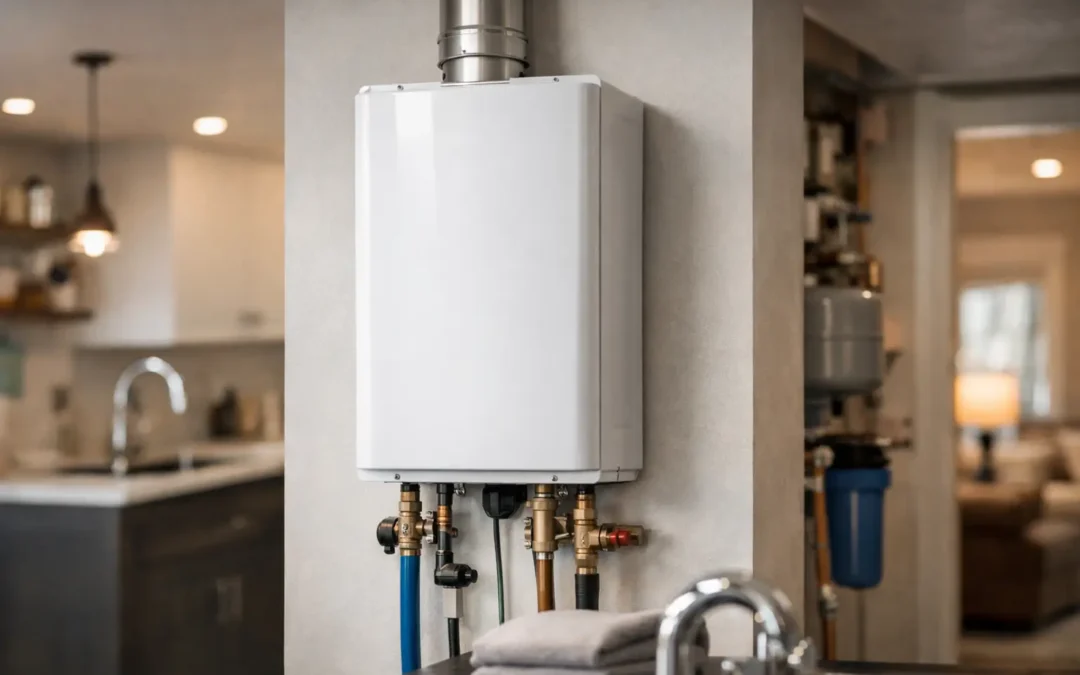
Space savings matter too. Wall-mounted tankless units take up far less room than a bulky storage tank. In tighter mechanical rooms, utility closets, or smaller homes, that alone can make the upgrade appealing.
Where tankless water heaters can disappoint
A fair tankless water heater review has to cover the trade-offs. The first is installation cost. Tankless systems often require changes to gas lines, venting, electrical service, or water piping. If your home was not set up for one, the total project can be more involved than simply swapping one unit for another.
The second issue is delay. Some homeowners expect instant hot water and are surprised when they still wait a few seconds for heated water to reach the faucet. A tankless unit heats water quickly, but it does not eliminate the travel time through your plumbing lines.
There is also maintenance. Tankless water heaters should be flushed periodically to reduce mineral buildup, especially in areas with hard water. Skipping that service can reduce efficiency and shorten the system’s life. A tank model needs maintenance too, but tankless ownership is not hands-off.
Finally, performance depends heavily on proper sizing and installation. A good unit installed poorly can still produce weak results. That is why system selection matters as much as brand name.
Gas vs. electric in a real-world review
Gas tankless water heaters are usually the stronger fit for larger households because they can support higher flow rates. If your home has multiple bathrooms and frequent simultaneous use, gas often provides the performance people expect when they hear the term tankless.
Electric tankless units can work well in smaller homes, point-of-use applications, additions, or spaces with lighter demand. They are often simpler in some respects, but whole-home electric tankless systems may require substantial electrical upgrades. In many cases, that changes the cost equation quickly.
For homeowners in Northern Virginia, the right choice often comes down to the home’s existing infrastructure. If a gas connection is already available and venting can be handled properly, gas tankless tends to offer the best balance of output and efficiency. If the home has limited hot water demand or a specific remote fixture that needs faster service, electric may still make sense.
Is the higher price worth it?
This is where expectations need to stay grounded. Tankless systems generally cost more upfront than standard tank heaters. The unit itself may be pricier, and installation can add more if venting, gas capacity, condensate drainage, or wiring changes are needed.
The payoff comes from a mix of efficiency, service life, and daily comfort. Tankless water heaters often last longer than tank models when maintained properly. That longer lifespan can offset part of the initial investment. Households that value endless hot water and have the budget for a more customized installation often feel the upgrade is worthwhile.
But if your current hot water demand is low, your budget is tight, or your home would need major modifications, a high-quality tank water heater may still be the smarter choice. Better is not always the same as better for you.
Who should seriously consider going tankless
If your home regularly runs out of hot water, tankless deserves a close look. The same goes for households planning a renovation, replacing an aging water heater, or trying to reclaim storage space in a utility area.
Property managers may also find tankless appealing in certain setups, especially where longevity and tenant comfort are priorities. Commercial clients can benefit too, but sizing becomes even more critical because usage can spike sharply depending on the building type.
On the other hand, if your household uses hot water lightly and your current setup already meets demand, the financial case may be weaker. That does not make tankless a bad product. It just means the return depends on how your property actually operates.
Signs a tankless system may not be the best fit
Some homes are poor candidates without significant updates. Older properties with undersized gas lines, outdated electrical systems, or difficult venting paths can make installation more expensive than expected. That does not rule tankless out, but it does shift the value calculation.
Very large households can also run into issues if they assume one small unit can handle everything. In some cases, the better answer is a larger whole-home system, multiple units, or a different water heating strategy altogether.
Water quality matters as well. Hard water increases scale buildup, which makes regular maintenance more important. If maintenance is likely to be ignored, a tankless unit may not deliver the long-term reliability the owner expects.
What to look for before you buy
The most important factor is not the box on the wall. It is whether the system is matched to your demand. That means looking at peak hot water use, not just household size. Two people in a home with a soaking tub and high-flow fixtures may use more hot water at one time than a larger family with lower-flow fixtures.
Pay attention to flow rate, temperature rise, fuel type, venting requirements, warranty terms, and service accessibility. Ask how the unit will perform in winter when incoming groundwater is colder. Ask whether your gas line or electrical panel can support the system. Ask what routine maintenance will cost and how often it should be done.
A trustworthy installer should be able to explain all of that in plain language, with transparent pricing and no pressure. That matters just as much as the equipment itself.
The bottom line on tankless performance
A tankless water heater can be an excellent upgrade if your home needs longer hot water availability, better energy use, and a more compact setup. It is not a cure-all, and it is not automatically the most cost-effective option for every property.
The best results come from careful sizing, proper installation, and realistic expectations about cost and maintenance. When those pieces are handled well, tankless systems tend to deliver exactly what most homeowners want – dependable hot water, less wasted space, and fewer interruptions to daily life.
If you are weighing a replacement, the smart move is to look beyond labels and focus on fit. The right water heater should support your comfort without creating surprises later, and that is always worth getting right the first time.
