

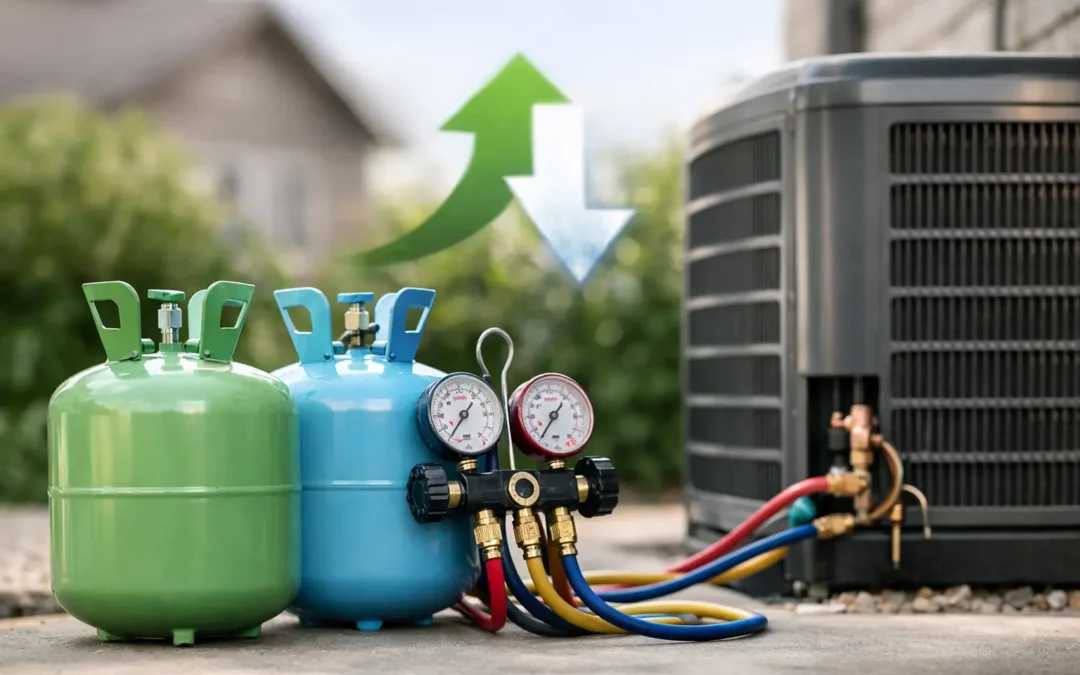
A refrigerant label used to be something most homeowners never needed to think about. Now, HVAC refrigerant phaseout trends can affect what a repair costs, which replacement systems are available, and when it makes sense to plan an upgrade. For Northern Virginia homes and commercial properties, the practical question is not whether every existing system must be replaced immediately. It is how to make a sound decision when service, replacement, or renovation is already on the table.
The refrigerant transition is real, but it should not create unnecessary urgency. A properly operating system deserves professional maintenance and a clear assessment before any major decision is made. The best path depends on your equipment’s age, condition, refrigerant type, repair history, and comfort needs.
What Is Driving HVAC Refrigerant Phaseout Trends?
Federal environmental rules are reducing the use of hydrofluorocarbons, or HFCs, because many have a high global warming potential. The phasedown is being carried out over time under the American Innovation and Manufacturing Act. Rather than making every older air conditioner illegal overnight, these rules steadily reduce the supply of certain refrigerants and encourage manufacturers to build equipment using lower-impact alternatives.
For many years, R-410A was the standard refrigerant in residential central air conditioners and heat pumps. New equipment is now moving toward refrigerants such as R-454B and, in some product categories, R-32. These alternatives have a lower global warming potential than R-410A, but they are not interchangeable with it.
That distinction matters. A new refrigerant does not simply get added to an older R-410A system. The compressor, coils, controls, refrigerant lines, labeling, and safety requirements are designed as a complete system. If replacement becomes necessary, the right choice is a properly matched modern system installed according to manufacturer specifications and local code requirements.
Your Existing System Can Still Be Repaired
One of the most common concerns is whether an R-410A air conditioner or heat pump can still receive service. In most cases, yes. Existing equipment can continue operating, and qualified technicians can diagnose leaks, make repairs, and perform maintenance using approved refrigerant supply and reclaimed refrigerant when appropriate.
The larger concern is long-term cost and availability. As production allowances decline, R-410A may become more expensive or less predictable to source than it was in the past. That does not mean every service call should turn into a replacement recommendation. It does mean a significant refrigerant leak on an aging unit deserves a broader conversation.
A small repair on a newer, well-maintained system may be the sensible choice. A costly repair involving a major leak, failing compressor, or repeated breakdowns on a system near the end of its expected service life may point toward replacement. The goal is to protect your comfort and budget, not to push equipment out before its time.
R-22 Systems Need a Different Conversation
If your system uses R-22, the situation is more advanced. Production and import of new R-22 ended in the United States in 2020. Service can still be possible with recovered or reclaimed supplies, but refrigerant costs can be substantial and availability may vary.
An R-22 system does not have to be removed just because it exists. However, a major repair can be difficult to justify, particularly when the unit is older, inefficient, or struggling to keep up during a Virginia summer. In that case, replacement may offer more predictable operating costs, stronger reliability, and access to current equipment options.
What Changes With New Refrigerants?
Newer residential cooling and heat pump systems use updated safety standards and installation practices. R-454B, for example, is classified as an A2L refrigerant. It is considered mildly flammable, which means technicians must follow specific procedures for handling, charging, leak detection, ventilation, recovery, and system placement.
For homeowners and property managers, this should be reassuring rather than alarming. HVAC equipment has always required professional installation and service. The transition reinforces why certified technicians, correct equipment sizing, and code-compliant workmanship matter. A system should never be selected based solely on a refrigerant name or the lowest initial price.
The refrigerant is only one part of performance. Proper load calculations, duct condition, airflow, thermostat setup, drainage, electrical capacity, and maintenance all influence whether a new system delivers the comfort you expect. A high-efficiency heat pump installed without attention to these details can still produce uneven temperatures and avoidable service issues.
When Replacement Planning Makes Sense
You do not need to replace an operating system simply because manufacturers are transitioning away from R-410A. Still, planning ahead can prevent a rushed decision after an unexpected summer breakdown.
Replacement deserves consideration when your unit is 10 to 15 years old, needs frequent repairs, has a confirmed refrigerant leak, runs loudly, struggles with hot or cold rooms, or causes rising utility bills. Commercial property managers may also need to consider tenant comfort, equipment downtime, maintenance budgets, and the timing of planned renovations.
A proactive evaluation gives you time to compare efficiency ratings, assess heat pump options, review indoor air quality improvements, and schedule installation around your needs. It also reduces the pressure of choosing a system during a heat wave, when restoring cooling quickly is understandably the priority.
Repair or Replace? Start With the Full Cost Picture
A repair estimate should be evaluated alongside the system’s overall condition. Refrigerant is not the only expense. A leak repair may involve locating the leak, repairing the component, pressure testing, evacuating the system, and recharging it. If the compressor or coil is failing as well, the total can rise quickly.
Consider how long a repair is reasonably expected to extend the unit’s life. Also consider energy use, warranty coverage, past breakdowns, and whether the existing system still meets the needs of the home or building. There is no single percentage rule that fits every situation. A reliable 8-year-old system and a troublesome 16-year-old system should not be treated the same way.
How to Prepare Without Overreacting
The most useful step is to identify the refrigerant your current equipment uses. The outdoor unit’s data plate typically lists it, along with the model number and electrical information. Take a photo of that label and keep it with your maintenance records.
Next, schedule routine maintenance before peak cooling season. Regular service helps identify weak capacitors, drainage problems, airflow restrictions, worn electrical components, and developing refrigerant issues before they turn into a no-cooling emergency. Maintenance also gives your technician a chance to document the system’s condition and help you plan realistically.
If you are considering an upgrade, ask for an evaluation that looks beyond tonnage and price. The conversation should cover equipment size, duct performance, humidity control, thermostat compatibility, electrical needs, expected efficiency, warranty details, and the refrigerant used by the proposed system. For heat pump installations, it should also address backup heat and cold-weather performance.
For businesses and multi-unit properties, keeping an equipment inventory is especially valuable. Record installation dates, refrigerant types, service history, and known concerns for each system. This makes it easier to budget replacements in stages instead of reacting to every failure as an isolated event.
A Clear Plan Protects Comfort
Refrigerant rules will continue to shape the HVAC market, but they do not require panic or guesswork. Existing equipment can often remain in service, while new systems are being designed for lower-impact refrigerants and updated safety standards.
When your system needs attention, a careful inspection can clarify whether repair is the right move or whether replacement planning will better protect your long-term comfort. Aircon HVAC Solutions can help homeowners and property managers make that decision with clear recommendations, transparent options, and workmanship built for dependable comfort.
