

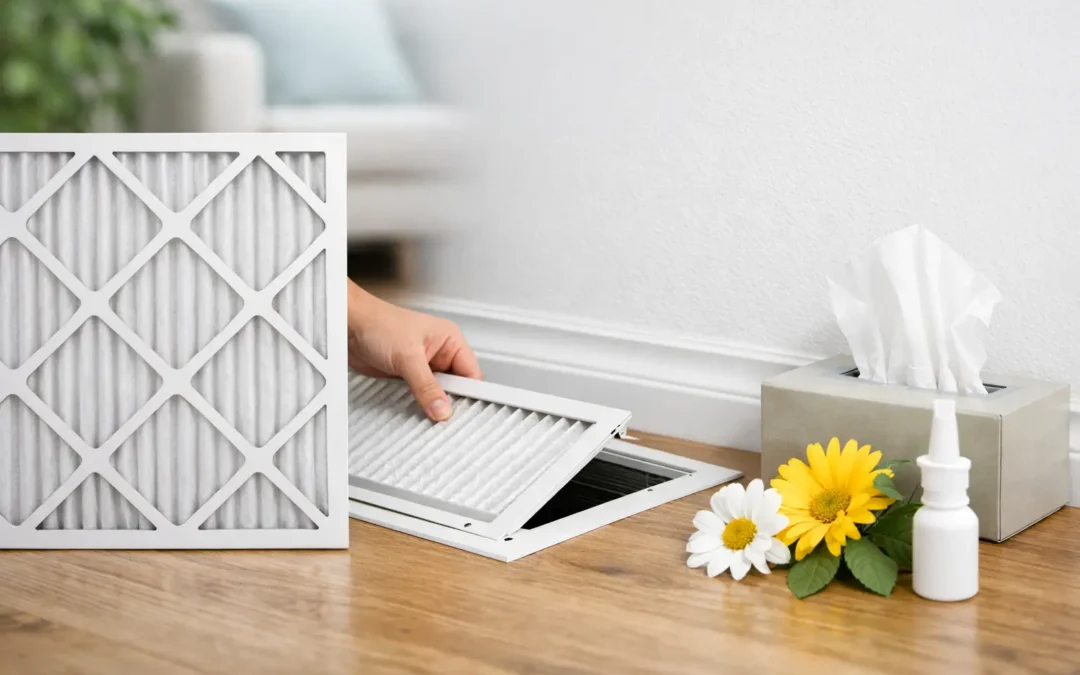
If allergy symptoms seem worse the moment you get home, your HVAC filter may be part of the problem or part of the fix. Choosing the best HVAC filter for allergies is not just about buying the highest-rated option on the shelf. It is about finding the right balance between particle capture, system airflow, and the specific needs of your home.
For many homeowners, the wrong filter creates two frustrations at once. It does not do enough to catch pollen, dust, and pet dander, and it can also strain the system if it is too restrictive. That is why a smart filter choice starts with how your equipment is designed to operate, not just with the packaging claims.
What actually makes an HVAC filter good for allergies?
A good allergy-focused filter should capture small airborne particles that commonly trigger symptoms. That usually means pollen, mold spores, dust mite debris, pet dander, and fine household dust. The most useful number to pay attention to is the MERV rating, which stands for Minimum Efficiency Reporting Value.
In most homes, a filter in the MERV 8 to MERV 13 range is where the real conversation starts. Lower ratings may catch larger dust particles but often miss the smaller irritants that make allergy season miserable. Higher ratings can improve filtration, but only if your HVAC system can handle the added resistance.
That trade-off matters. A better filter on paper is not always better in practice. If a filter is too dense for your blower and ductwork, airflow can drop. When that happens, comfort suffers, energy use can rise, and the system may experience unnecessary wear.
Best HVAC filter for allergies: the MERV sweet spot
For most residential systems, MERV 11 or MERV 13 is the best place to look when you want better allergy control without creating avoidable airflow problems. MERV 11 filters are often a strong middle-ground choice. They do a solid job capturing common allergens while remaining compatible with many standard systems.
MERV 13 filters offer finer filtration and can capture smaller particles more effectively. For households with severe allergies, multiple pets, or recurring indoor air quality concerns, that extra performance can be worth it. The catch is that not every system is built to run well with MERV 13, especially if the filter slot is narrow or the equipment is older.
That is why the best HVAC filter for allergies is often not a single universal answer. It depends on the system, the size of the filter cabinet, the condition of the ductwork, and how sensitive the people in the home are to airborne irritants.
Why HEPA is usually not the answer for standard HVAC systems
Many people assume a HEPA filter must be the best option because it is known for very high filtration. In a hospital or dedicated air purifier, that can be true. In a typical residential forced-air system, a true HEPA filter is usually too restrictive unless the system was specifically designed for it.
Trying to force a standard HVAC unit to work with true HEPA filtration can reduce airflow enough to create bigger problems than it solves. You may end up with poor temperature control, frozen coils, overheating components, or premature system stress. For most homes, a properly selected MERV 11 or MERV 13 filter is the safer and more effective solution.
If someone in the home has severe respiratory sensitivity, a whole-home air cleaner or a separate HEPA air purifier may make more sense than simply inserting the most restrictive filter available.
Filter material matters more than most people realize
Not all filters with the same rating perform the same way in real homes. Pleated filters generally outperform flat fiberglass filters for allergy control because they have more surface area and better particle capture. Fiberglass filters are inexpensive, but they are usually designed more to protect the equipment from large debris than to improve indoor air quality.
A quality pleated media filter with the right MERV rating is typically the better choice for allergy relief. It holds more particles, often lasts longer, and can provide more consistent filtration over time. Build quality matters too. A poorly made filter that bows, gaps, or does not fit tightly can let unfiltered air pass around it, which defeats the purpose.
One size does not fit every home
The best HVAC filter for allergies in a pet-free townhouse may not be the right choice for a larger home with two dogs, active kids, and frequent door traffic. Occupancy, pets, nearby construction, and seasonal pollen levels all affect how quickly filters load up.
In Northern Virginia, spring and fall can be especially tough for allergy sufferers because outdoor pollen can make its way inside every time doors open, windows crack, or shoes track allergens through the house. In those conditions, a filter that normally lasts three months may need replacement sooner.
This is another reason filter advice should be practical, not generic. A filter only works well when it is changed on time. Even a high-quality filter becomes a problem when it is clogged.
How often should you change an allergy filter?
A common starting point is every 60 to 90 days, but allergy-prone households often do better checking monthly and replacing more frequently when needed. Homes with pets, high dust levels, or heavy HVAC use may need a new filter every 30 to 60 days.
It helps to think of replacement timing as performance-based instead of calendar-based. If the filter looks visibly dirty, airflow feels weaker, or allergy symptoms are creeping back indoors, it may be time to replace it even if the expected interval has not passed.
Skipping filter changes is one of the most common reasons people feel like filtration is not working. The issue is often not the filter type. It is that the filter stayed in place too long.
When a better filter is not enough
Filters help, but they are only one part of indoor air quality. If your home still feels dusty or allergy symptoms remain strong after upgrading the filter, other issues may be contributing. Leaky ductwork, poor return air design, excess indoor humidity, and dirty system components can all reduce results.
Humidity is a big one. High indoor humidity can encourage mold growth and dust mite activity, both of which are major allergy triggers. On the other hand, very dry air can irritate nasal passages and make symptoms feel worse. Keeping humidity in a healthy range often improves comfort as much as filtration does.
There are also situations where an air purifier, media cabinet upgrade, UV solution, or ventilation improvement may be more effective than another filter change. That is especially true in homes with ongoing odor issues, visible dust buildup, or repeated complaints from sensitive family members.
How to choose the right filter without guessing
Start with your HVAC system specifications. If your equipment manual lists a recommended filter range, stay within it unless an HVAC professional confirms the system can handle more. Then look for a pleated filter from a reputable manufacturer in a MERV 11 or MERV 13 rating.
Make sure the size is exact. A filter that is slightly undersized can allow bypass air around the edges. Also pay attention to thickness. A deeper media filter can often provide better filtration with less airflow resistance than a thin one, but only if your system has the correct cabinet or space for it.
If you have tried better filters and still are not getting the results you want, the next step should not be more trial and error. It should be a system-level evaluation. A qualified HVAC technician can check airflow, static pressure, duct condition, filter fit, and indoor air quality options that match your equipment.
For homeowners who want both comfort and cleaner indoor air, that approach is usually more cost-effective than repeatedly buying filters that may not suit the system. Aircon HVAC Solutions helps homeowners make those decisions with a focus on system compatibility, performance, and long-term comfort, not one-size-fits-all recommendations.
Best HVAC filter for allergies: the practical answer
If you want the practical answer, here it is. For most homes, the best HVAC filter for allergies is a well-fitted pleated MERV 11 or MERV 13 filter that your system can support without airflow problems. That is the range where many households see meaningful improvement in airborne allergen control.
If your system cannot support that level, forcing it is not the right move. A lower-rated filter combined with better maintenance or an added indoor air quality upgrade may deliver better real-world results. Good allergy control comes from the whole setup working together.
The right filter should make your home feel easier to live in, not harder for your HVAC system to breathe. If your current setup is not doing that, a professional evaluation can give you a clearer path forward and help turn your home into a place where allergy season feels more manageable.
