

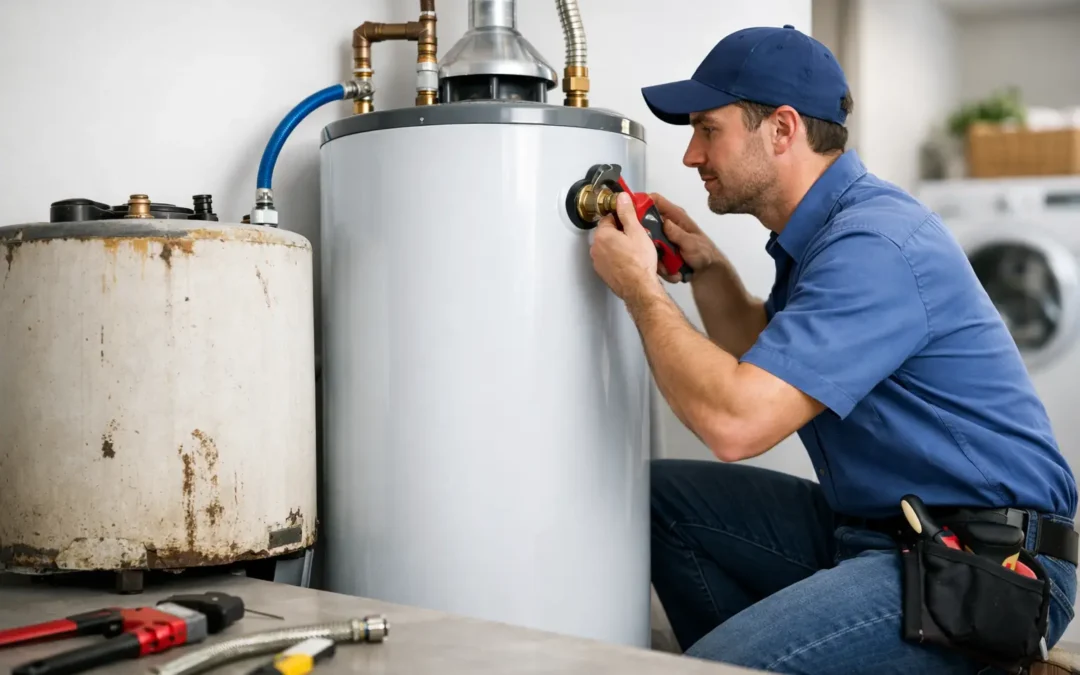
A cold shower at 6 a.m. usually settles the question fast – if your water heater is failing, repair can feel like a gamble. For many homeowners and property managers, manassas water heater replacement becomes the smarter move when hot water turns inconsistent, leaks start showing up, or the unit is simply too old to trust.
Replacing a water heater is not just about getting hot water back. It is about protecting the property, controlling utility costs, and avoiding the kind of sudden failure that can interrupt a household or disrupt tenants and employees. When the system is sized correctly and installed with care, the difference shows up every day in better performance, steadier temperatures, and fewer service headaches.
When manassas water heater replacement makes more sense than repair
Some water heater problems are worth repairing. A failed thermostat, heating element, or pressure relief valve can often be addressed without replacing the full unit. But there is a point where repairs stop being the cost-effective choice.
Age is one of the biggest signs. Traditional tank water heaters often last around 8 to 12 years, depending on water quality, maintenance history, and usage. Tankless systems can last longer, but they are not immune to wear. If your unit is near the end of its expected life and service calls are becoming more frequent, replacement is often the more dependable path.
Leaks are another major red flag. If the tank itself is leaking, replacement is usually necessary. Once the tank shell begins to fail, patchwork repairs do not offer much long-term confidence. The same goes for rust-colored water, rumbling noises from heavy sediment buildup, or major swings in water temperature that keep returning even after service.
There is also the efficiency question. Older systems tend to work harder and deliver less. If your energy bills are climbing and your hot water still runs out too fast, a new model may improve both comfort and operating cost.
What causes water heaters to fail
Most water heaters do not fail all at once without warning. The trouble usually builds over time.
Sediment is a common problem, especially in tank systems. Minerals settle at the bottom of the tank and force the unit to heat through a layer of buildup. That can reduce efficiency, increase noise, and speed up internal wear. Corrosion is another issue. Anode rods are designed to protect the tank, but once they are depleted, rust can begin attacking the interior.
Usage patterns matter too. A family home with multiple bathrooms, heavy laundry use, and back-to-back showers will put more strain on a system than a smaller household. Commercial settings can be even more demanding. In those cases, a unit that was marginally sized from the start may fail earlier or perform poorly long before it fully stops working.
Poor installation can shorten life as well. Incorrect venting, improper expansion control, loose connections, and sizing mistakes can all affect safety and performance. That is one reason replacement should focus on more than just swapping one box for another.
Choosing the right system for your property
The best replacement depends on how the building uses hot water. There is no single answer that fits every home or commercial space.
Traditional tank water heaters
Tank water heaters remain a practical choice for many properties. They usually cost less upfront than tankless systems, and replacement can be fairly straightforward when the existing setup already supports a tank unit. For households with predictable hot water use, a properly sized tank can deliver reliable performance without overcomplicating the installation.
The trade-off is standby heat loss and limited stored hot water. If several people shower in a short window, the tank can run low and need recovery time.
Tankless water heaters
Tankless systems heat water on demand, which can be appealing for homes that want better efficiency and longer-term savings. They also save space and can provide a nearly endless supply of hot water when sized correctly.
That said, tankless is not automatically the better choice for every property. Upfront cost is usually higher, and installation may require venting, gas line, or electrical upgrades. In some homes, especially older ones, those added changes affect the final project cost enough that a high-efficiency tank system may be the more practical fit.
Gas or electric
Gas water heaters often recover faster, which can be helpful for larger households or buildings with higher demand. Electric units can be easier to install in some settings and may work well where gas service is not available or practical.
The right choice depends on existing utilities, budget, efficiency goals, and the building’s hot water demand. A replacement should account for all of those factors, not just the price tag of the unit itself.
What to expect during a water heater replacement
A professional replacement starts with evaluating the current setup. That includes the age and condition of the old unit, available space, fuel type, venting requirements, drainage, code updates, and daily hot water demand. If the old system was undersized or oversized, this is the time to correct it.
From there, the old unit is disconnected and removed. The installation area may need updates before the new water heater goes in. Depending on the property, that could mean bringing parts of the setup up to code, replacing worn valves or connectors, improving venting, or adding safety components such as an expansion tank.
Once the new system is installed, testing matters. Water temperature, pressure, gas or electrical connections, and overall operation should all be checked carefully. A quality installation is about more than speed. Fast service matters when you are out of hot water, but precision matters just as much because it affects safety, reliability, and equipment life.
How to know if your current water heater is the wrong size
Some replacements happen because the old unit failed. Others happen because it never truly met the building’s needs in the first place.
If your household regularly runs out of hot water, the system may be too small. If you own or manage a property with more occupants than when the heater was originally installed, demand may have outgrown the equipment. Renovations can change the equation too. Adding a bathroom, upgrading to a larger soaking tub, or increasing laundry capacity all put more pressure on the water heater.
Oversizing can create problems too, just different ones. A system that is larger than necessary may cost more upfront and operate less efficiently than a properly matched unit. Good replacement planning is not about buying the biggest model. It is about matching the equipment to the property.
Cost factors in manassas water heater replacement
Homeowners often want a simple price, but replacement cost depends on several moving parts. The type of system matters, of course, but labor, code upgrades, accessibility, venting, fuel source, and capacity also affect the final number.
A direct replacement of a similar tank model is usually the most straightforward. A switch from tank to tankless can cost more because the installation may require additional work behind the walls or around the utility connections. Emergency replacement can also affect cost if the failure happens after hours or creates water damage concerns.
This is why clear, transparent pricing matters. A low quote that leaves out required updates is not really a lower cost. It just postpones part of the bill. Property owners are usually better served by knowing exactly what is included and why.
Why professional installation matters
Water heaters connect to plumbing, power, and in many cases gas and venting systems. That makes replacement a comfort issue, but also a safety issue.
A poor installation can lead to leaks, pressure problems, combustion risks, poor efficiency, and shortened equipment life. It can also create inspection issues for property managers or headaches during a future home sale. Licensed, insured, and experienced technicians help reduce those risks by handling the work correctly the first time.
For busy homeowners and commercial clients, responsiveness matters too. When hot water is out, people do not want vague timelines or guesswork. They want a team that can assess the problem, explain the options clearly, and complete the work with professionalism. That is the standard trusted local providers like Aircon HVAC Solutions aim to deliver.
Planning ahead beats waiting for a full breakdown
The most expensive water heater replacement is often the one you did not plan for. When a unit fails suddenly, the decision gets rushed. You may have less time to compare options, less flexibility in scheduling, and more urgency to restore service immediately.
If your water heater is already showing its age, it makes sense to have it evaluated before it quits completely. A planned replacement gives you time to choose the right system, budget for the work, and avoid the stress that comes with waking up to a cold house, a puddle around the tank, or tenants without hot water.
Hot water should be one less thing to worry about. When your current system is unreliable, replacement is not just a repair decision – it is a chance to improve comfort, protect the property, and get back to a setup you can count on every day.
