

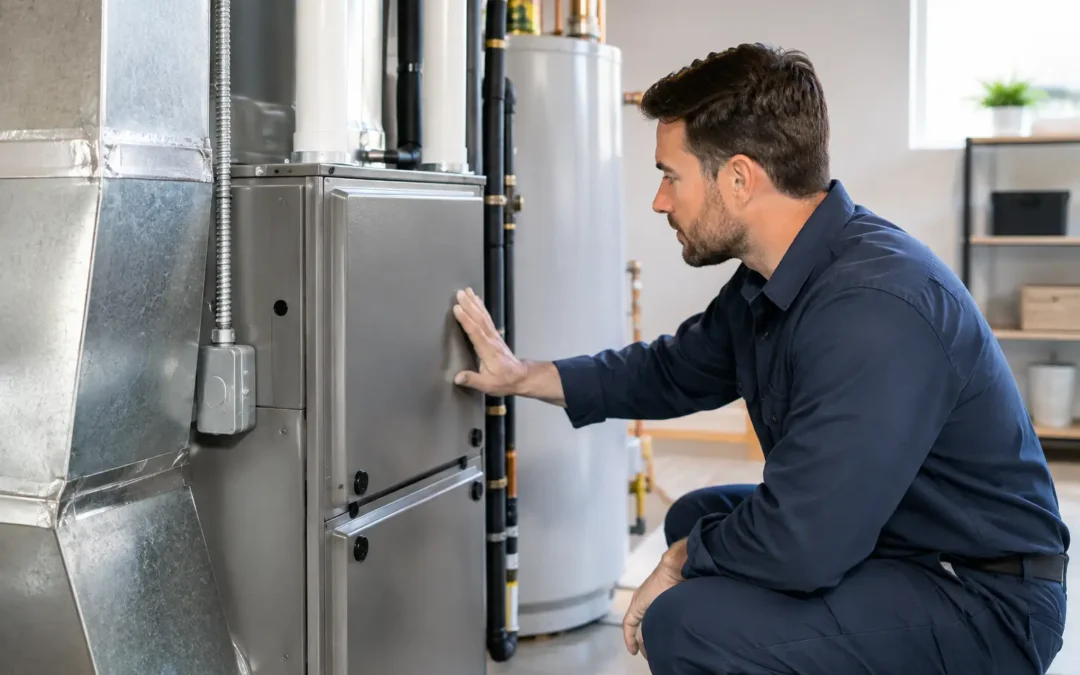
A furnace rarely fails at a convenient time. In Northern Virginia, homeowners often discover the best time to replace a furnace only after a cold morning exposes a system that cannot keep up. Planning before that moment gives you more control over cost, equipment options, scheduling, and the comfort of everyone in the building.
The right replacement date depends on your furnace’s condition, your home’s heating needs, and the season. But in many cases, replacing an aging system before winter becomes demanding is the practical choice. A professional evaluation can help you decide whether a repair will provide reliable service or simply delay an inevitable replacement.
The Best Time to Replace a Furnace Is Usually Before Peak Heating Season
For most homes and small commercial properties, early fall is the most convenient time to schedule a furnace replacement. Temperatures are typically mild enough that being without heat for part of a day is manageable, while heating contractors often have more scheduling flexibility than they do during the first major cold snap.
Late spring can also be a smart window, especially if a heating inspection reveals major concerns after a long winter. You may have more time to compare equipment, consider efficiency ratings, and make decisions without the pressure of an active heating emergency.
That said, the calendar should not override a serious reliability or safety concern. If your furnace has a cracked heat exchanger, repeated ignition problems, carbon monoxide concerns, or a repair that is disproportionately expensive, replacement may be the responsible choice regardless of the season. A dependable heating system matters more than waiting for an ideal appointment date.
Why Replacing Before Winter Can Save Stress
Once temperatures fall across Manassas, Fairfax, Reston, and nearby communities, HVAC service calls increase quickly. A furnace that quits during a cold spell can leave your household uncomfortable, complicate property management responsibilities, and limit your choices if you need equipment installed immediately.
Replacing ahead of winter gives you time to select the right system rather than accepting the first available option. You can consider furnace size, fuel type, efficiency, thermostat compatibility, filtration needs, and whether your ductwork needs attention. Proper planning also allows the installation team to identify electrical, venting, drainage, or airflow issues that could affect performance.
There is also a comfort benefit. A new furnace should be sized for the building, not simply matched to the old unit. An oversized furnace may cycle on and off too frequently, while an undersized one may run constantly and still leave rooms chilly. A careful load calculation and installation help protect both comfort and long-term efficiency.
Signs Your Furnace May Be Near the End
Age alone does not decide when to replace a furnace, but it is a useful starting point. Many gas furnaces last about 15 to 20 years with regular maintenance. Some last longer, while neglected systems may develop expensive issues sooner.
Pay attention to changes in how your system operates. A furnace that needs frequent repairs, makes new banging or rattling sounds, struggles to maintain the thermostat setting, or produces uneven temperatures deserves professional attention. Rising utility bills can also point to declining efficiency, particularly when your heating habits have not changed.
Other warning signs are more urgent. Yellow burner flames instead of steady blue flames, soot around the furnace, moisture near the unit, unusual odors, or carbon monoxide detector alerts should never be ignored. Turn off the system if you believe there may be a safety issue and arrange prompt service.
A single repair does not automatically mean replacement. Replacing a minor sensor, igniter, or thermostat component can be a sensible repair on a newer, otherwise reliable system. The decision changes when the furnace is older, repairs are becoming routine, or a major component has failed.
How to Decide Between Furnace Repair and Replacement
Start with the full picture, not just the cost of today’s repair. Ask how old the furnace is, what condition its major components are in, whether it has been maintained consistently, and how much the repair will extend its useful life.
A repair is often worthwhile when the furnace is relatively new, the issue is isolated, and the system heats evenly and efficiently once repaired. It can be the best financial decision for a well-maintained unit with several years of expected service remaining.
Replacement is more compelling when repair costs are high, breakdowns are recurring, or the furnace has reached the later part of its expected lifespan. As a practical guideline, if a significant repair approaches a large share of the cost of a new system, ask for a replacement estimate alongside the repair option. Comparing both numbers helps you make a clear decision rather than repeatedly investing in an unreliable unit.
Efficiency also matters, but it should be viewed realistically. A high-efficiency furnace may lower energy use, yet your actual savings will depend on insulation, duct condition, thermostat settings, local fuel costs, and how often you heat the building. The goal is not simply to buy the highest rating available. It is to install a properly selected system that fits your property and budget.
What to Expect During a Planned Furnace Replacement
A professional replacement begins with an assessment of the existing system and your home’s heating requirements. The technician should review the furnace location, ductwork, venting, electrical connections, condensate drainage when applicable, and thermostat controls. They should also discuss rooms that are consistently too warm or too cold, indoor air quality concerns, and any changes to the home such as additions or finished basements.
On installation day, the old equipment is safely disconnected and removed. The new furnace is installed, connected, and tested for safe operation. The team should verify airflow, temperature rise, fuel or electrical connections, venting, and thermostat function before the job is complete.
Most straightforward residential replacements can be completed in one day, though duct modifications, equipment access challenges, or related upgrades may add time. Clear pricing and an explanation of the work scope before installation make the process easier to plan around.
Do Not Overlook Ductwork and Indoor Air Quality
A new furnace cannot fully solve comfort problems caused by leaky, undersized, or poorly balanced ducts. If certain rooms never heat well, the issue may be airflow rather than the furnace itself. An evaluation can identify whether duct sealing, repairs, additional returns, or zoning improvements would make a meaningful difference.
Replacement is also a good time to consider a better filter setup, whole-home air purification, humidity control, or improved ventilation. These upgrades are not required for every property, but they can be valuable for households dealing with allergies, dust, dry winter air, or uneven comfort.
For property managers and business owners, planned replacement can reduce disruption to tenants, employees, and customers. Scheduling work during lower-occupancy hours or mild weather may protect operations while ensuring the building is ready for colder conditions.
Plan Early, but Act Quickly When Safety Is Involved
The best time to replace a furnace is often before heating season, when you can make a measured decision and schedule installation around your life. Still, a system with a safety concern or persistent failure should be addressed promptly. Waiting can turn a manageable project into an uncomfortable emergency.
If your furnace is aging, noisy, unreliable, or increasingly expensive to repair, schedule an assessment before the next cold stretch. Aircon HVAC Solutions can evaluate the system, explain your repair and replacement options clearly, and help you choose a heating solution built for dependable comfort.
