

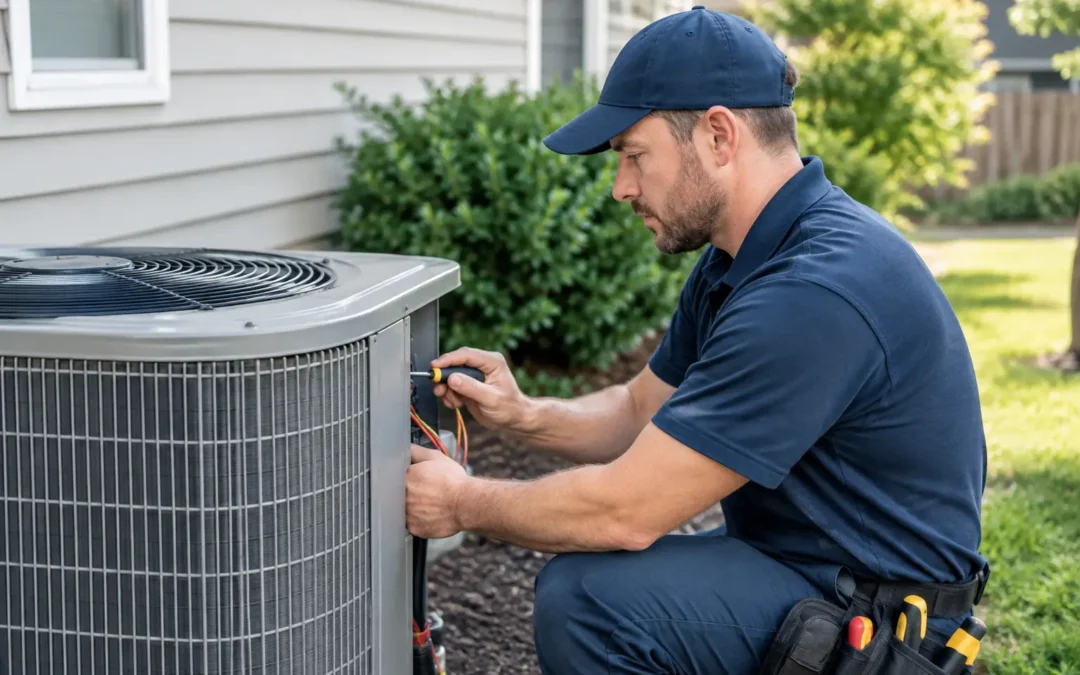
A home that will not cool on a humid July afternoon or heat evenly during a Virginia cold snap is more than an inconvenience. It can disrupt sleep, affect productivity, and leave you wondering whether a small adjustment has become a major system failure. When you need HVAC repair in Haymarket, recognizing the early warning signs can help you protect your comfort, budget, and equipment.
Most heating and cooling problems do not start with a complete breakdown. They begin with changes that are easy to dismiss: a room that stays warmer than the rest of the house, a furnace that runs longer than usual, or an energy bill that rises without a clear reason. Prompt, professional service can often address the cause before it puts added strain on the entire system.
When HVAC Repair Is the Right Call
An HVAC system works hard through Northern Virginia’s changing seasons. Heat, humidity, pollen, dust, and regular use all affect performance over time. Some concerns can wait for a scheduled visit, but others deserve prompt attention to prevent discomfort or further damage.
If your air conditioner is blowing warm air, your furnace is producing cool air, or the system will not turn on, schedule service as soon as possible. The issue may involve a thermostat setting, electrical component, refrigerant concern, ignition system, or another part that requires trained diagnosis. Continuing to run a system that is not operating correctly can turn a manageable repair into a more involved one.
Strange sounds also deserve attention. Banging, screeching, rattling, grinding, or repeated clicking are not normal operating sounds. A loose part may be a straightforward fix, while a worn motor component or damaged blower assembly may need more immediate repair. The only reliable way to know is through an on-site inspection.
Odors are another reason to act quickly. A musty smell can point to moisture around the indoor unit, drain line, or ductwork. A burning odor may be caused by dust at the start of a heating season, but an odor that persists should be checked. If you smell gas near a furnace or suspect a gas leak, leave the area and contact the appropriate emergency utility resource before arranging HVAC service.
Signs Your System Is Losing Efficiency
Not every repair need is dramatic. In many homes, the first indication is uneven comfort. One bedroom may stay stuffy while the living room feels cool, or certain areas may remain chilly even when the thermostat is set properly. Dirty filters, airflow restrictions, duct issues, thermostat problems, or aging equipment can all contribute.
Short cycling is another common concern. This happens when an air conditioner, heat pump, or furnace starts and stops repeatedly without completing a normal heating or cooling cycle. Sometimes the cause is as simple as a clogged air filter. Other times, it can involve improper system sizing, a refrigerant issue, sensor trouble, or an electrical problem. Because repeated cycling increases wear and energy use, it is worth having evaluated.
A sudden jump in utility costs is also worth investigating. Seasonal weather can affect energy use, but a significant increase without a change in household habits may indicate that your system is working harder than it should. A professional technician can inspect the equipment, test performance, and explain whether repair, maintenance, or a longer-term upgrade makes the most sense.
What to Check Before You Schedule Service
A few simple checks can rule out avoidable interruptions. First, confirm that the thermostat is set to the correct mode – cooling in summer or heating in winter – and that the temperature setting calls for the system to run. If the thermostat uses batteries, replace them if the display is dim or unresponsive.
Next, inspect the air filter. A visibly dirty filter can restrict airflow and make the system work harder. Replace it with the correct size and type for your equipment. Check that supply vents are open and not blocked by furniture, rugs, or storage items. For outdoor AC or heat pump units, remove leaves, grass clippings, and loose debris from around the cabinet while keeping hands away from internal components.
If these steps do not restore normal operation, avoid repeatedly turning the system on and off in hopes that it will reset itself. That approach can put additional stress on electrical and mechanical parts. A qualified technician can identify the root cause without guesswork.
What Professional HVAC Repair in Haymarket Should Include
Good repair service begins with listening. Your technician should ask what you have noticed, when the issue started, and whether the problem is constant or intermittent. Those details can help narrow down possible causes before testing begins.
A proper diagnostic visit should include an inspection of the relevant system components, performance testing, and a clear explanation of the findings. Depending on the equipment and concern, that may include checking airflow, electrical connections, capacitors, refrigerant-related performance, condensate drainage, blower operation, ignition components, safety controls, or thermostat communication.
The goal is not simply to get the system running for the moment. It is to identify why the problem occurred and recommend a practical solution. You should receive transparent information about the needed repair, expected costs, and whether there are related concerns to monitor. A trustworthy provider will explain the options in plain language and give you the space to make an informed decision.
For property managers and commercial clients, repair needs can be more complex. A comfort issue may affect tenants, employees, customers, or sensitive equipment. Clear communication, timely scheduling, and dependable workmanship help reduce disruption and keep the building operating as it should.
Repair or Replacement: How to Decide
A repair is often the smart choice when the system is relatively new, the issue is isolated, and the equipment has been maintained. Replacing a worn capacitor, correcting a drainage problem, repairing a blower motor, or addressing a thermostat issue can restore reliable performance without the cost of a new system.
Replacement may be worth discussing when repairs are becoming frequent, parts are difficult to obtain, efficiency is declining, or the equipment is nearing the end of its expected service life. Age alone does not automatically mean replacement is necessary. A well-maintained unit can sometimes continue to serve a home reliably, while a neglected system may develop major problems sooner.
The best decision depends on the repair cost, the condition of the system, your comfort concerns, and your plans for the property. A technician should help you understand the trade-offs rather than pressure you into a one-size-fits-all answer.
Preventing the Next Breakdown
Regular maintenance is one of the most practical ways to reduce unexpected repairs. Seasonal service gives a technician the opportunity to clean key components, check safety controls, inspect connections, verify operation, and catch smaller issues early. It also helps your system operate more efficiently when outdoor temperatures are at their toughest.
Homeowners can support that work by changing filters regularly, keeping outdoor equipment clear, watching for new sounds or odors, and scheduling service before the peak heating or cooling season. Indoor air quality upgrades, such as filtration, purification, humidity control, or ventilation improvements, may also help address dust, allergy concerns, and uneven comfort depending on the home.
When comfort changes, do not wait for a complete failure to get answers. A prompt evaluation from a certified, insured HVAC professional can give you a clear path forward and help your home or business stay comfortable through every season.
