

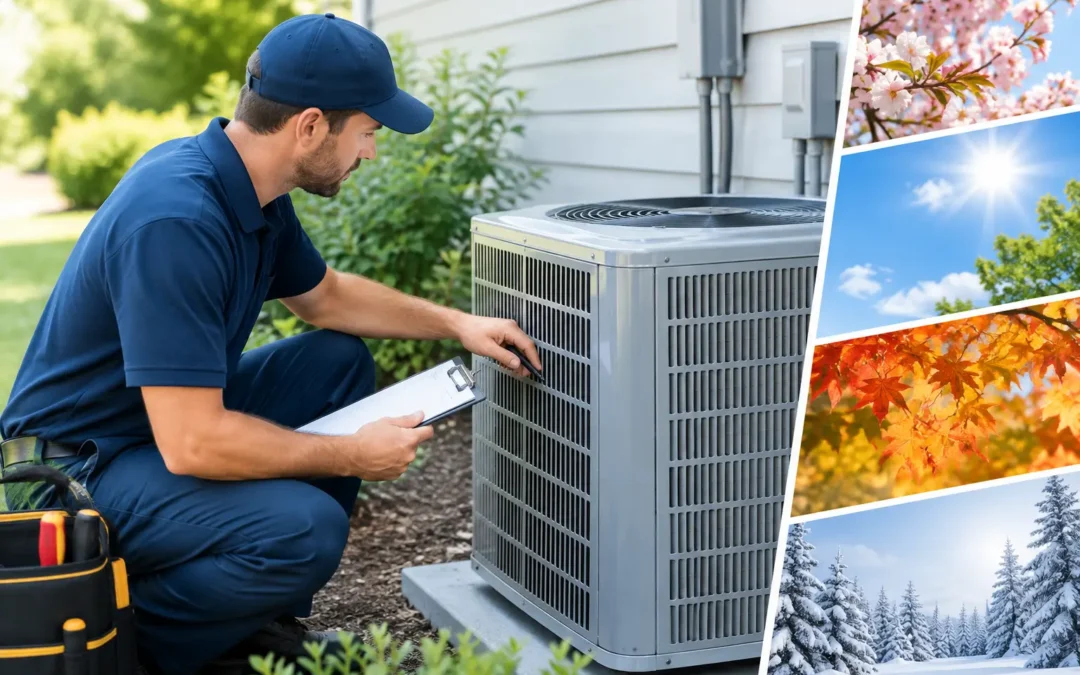
A missed filter change can turn into weak airflow. A clogged drain line can become a ceiling stain. And a furnace that seemed fine last winter can fail on the first truly cold night. The best HVAC maintenance checklist is not about adding another complicated task to your schedule. It is a practical way to protect your comfort, manage energy costs, and catch small concerns before they interrupt your home or business.
For Northern Virginia property owners, timing matters. Our hot, humid summers put air conditioners under real strain, while cold snaps quickly expose heating issues. A few homeowner tasks throughout the year, paired with professional service before each major season, can help your equipment run more reliably when you need it most.
Your Best HVAC Maintenance Checklist
Use this checklist as a working routine, not a one-time project. If you manage a commercial property, the same fundamentals apply, but larger systems, heavier operating hours, and multiple zones may require a more frequent professional maintenance plan.
Check and replace air filters
Start with the simplest task because it has an outsized effect on your system. Check your air filter every month and replace it when it looks dirty, or as recommended by the filter manufacturer. Many homes need a new filter every one to three months. Homes with pets, smokers, construction dust, allergies, or high system use may need more frequent changes.
A dirty filter restricts airflow. That can make rooms feel uneven, raise operating costs, and put added stress on the blower motor. Avoid assuming that a thicker, higher-rated filter is always better. Some systems are not designed for highly restrictive filters, so ask a technician which option fits your equipment and indoor air quality goals.
Keep vents and returns clear
Walk through the property and make sure supply vents and return grilles are open and unobstructed. Rugs, furniture, storage boxes, and curtains can block airflow without anyone noticing. A blocked return is especially problematic because it limits the air your system needs to circulate.
Vacuum dust from grilles as needed, but do not remove duct covers or attempt to clean deep inside ductwork without a clear reason. Dust on a vent does not automatically mean the entire duct system needs cleaning. If you see unusual debris, smell persistent odors, or notice airflow problems in several rooms, professional evaluation is the better next step.
Test the thermostat before extreme weather arrives
A thermostat issue can look like an HVAC failure when the equipment is actually working properly. Before summer, switch the thermostat to cooling and lower the setting a few degrees below the room temperature. Before winter, test heating the same way. Listen for the system to start and confirm that it delivers appropriately cooled or warmed air.
Replace thermostat batteries if your model uses them. If you have a programmable or smart thermostat, review the schedule as seasons change. A schedule that made sense during school months or a previous work routine may now leave an empty building conditioned longer than necessary. Keep in mind that aggressive temperature setbacks are not right for every heat pump system, so ask about settings that match your equipment.
Inspect the outdoor unit
Your outdoor AC condenser or heat pump needs open space to release heat. Check it monthly during the cooling season and after storms. Remove leaves, branches, grass clippings, and other loose debris around the unit. Trim shrubs back so there is clear airflow on all sides, generally allowing at least two feet of clearance where possible.
Do not cover the unit while it is running, stack items against it, or use a pressure washer on the coil. Bent fins, electrical components, and refrigerant lines are easy to damage. If you notice ice, oil residue, loud grinding, repeated shutdowns, or a fan that will not run, turn the system off and arrange service rather than continuing to operate it.
Watch the condensate drain
Air conditioning removes humidity from indoor air, and that moisture has to drain away safely. During cooling season, look near the indoor unit for water, damp insulation, or a full drain pan. Check the outdoor drain termination, if accessible, for normal drainage.
A slow or clogged condensate line can cause water damage and may trigger a safety switch that shuts down the system. Homeowners can keep the area around the equipment clean and dry, but drain cleaning is worth including in seasonal professional maintenance. It is a small service step that can prevent a frustrating no-cool call on a humid day.
Pay attention to changes in operation
Your HVAC system often provides an early warning before it stops working. New rattling, squealing, buzzing, short cycling, musty odors, hot or cold rooms, and unexplained increases in utility bills all deserve attention. Write down when the issue occurs, which rooms are affected, and whether it happens in heating, cooling, or both.
That information helps a technician diagnose the problem efficiently. Waiting until a strange sound becomes a complete breakdown can mean less scheduling flexibility and a more difficult repair.
Seasonal HVAC Maintenance Tasks
Spring: Prepare for cooling and humidity
Before the first sustained warm stretch, change the filter, test cooling, clear the outdoor unit, and inspect visible drain components. This is also the right time to address rooms that felt sticky or uneven last summer. The answer may be a maintenance repair, but it could also involve duct leakage, poor airflow balance, oversized equipment, or a need for dehumidification support.
Schedule professional AC or heat pump maintenance in spring whenever possible. A technician can inspect electrical connections, motors, capacitors, coils, refrigerant performance, safety controls, and drainage. These are not DIY tasks. Refrigerant systems and high-voltage components require trained, qualified service.
Summer: Protect performance during heavy use
During peak cooling months, keep filters clean and outdoor equipment clear. Do not close multiple vents to force more air into another room. That strategy can create pressure problems and does not fix the source of uneven temperatures.
If your system cannot keep up, first check the filter, thermostat setting, and outdoor unit for obvious airflow restrictions. Then call for service if the concern continues. Running an air conditioner that is frozen, leaking, or making severe noises can cause additional damage.
Fall: Get the heating system ready
Before nighttime temperatures drop, test heating, replace the filter, and clear the outdoor unit if you have a heat pump. For gas furnaces, make sure carbon monoxide detectors are present, functional, and placed according to their manufacturer instructions. Test the detectors and replace batteries as needed.
A professional heating tune-up should include an inspection of burners, ignition components, venting, the heat exchanger, electrical parts, blower operation, and safety controls. Do not ignore fuel smells, soot, yellow burner flames, or carbon monoxide alarms. Leave the property if you believe there may be a gas or carbon monoxide hazard, then contact the appropriate emergency service and HVAC professional.
Winter: Maintain safe, steady heat
Keep snow, ice, leaves, and stored items away from outdoor heat pump equipment. Heat pumps can produce visible vapor during defrost cycles, which is often normal. But persistent ice buildup or reduced heating performance is not something to overlook.
For furnaces, keep the mechanical area clear and make sure return grilles remain open. If a room stays cold, avoid using an oven or unvented appliance for heat. Safe supplemental heating may help temporarily, but recurring comfort problems need a proper assessment of the HVAC system, insulation, airflow, or controls.
What a Professional Maintenance Visit Should Cover
Home maintenance helps, but it does not replace a thorough service visit. A qualified technician should inspect the equipment condition, verify safe operation, test key electrical components, assess airflow, clean applicable parts, check drainage, and identify wear before it causes a failure. For heating equipment, combustion and venting safety deserve particular attention. For cooling equipment, coil condition and refrigerant performance are central to efficiency and comfort.
The details vary by system type and age. A newer heat pump, an older gas furnace, a rooftop commercial unit, and a multi-zone building do not have identical needs. Transparent maintenance means explaining what was checked, what was found, what can wait, and what should be addressed now.
When Maintenance Becomes a Repair Call
Maintenance is preventive. It is not a reason to keep operating unsafe or failing equipment. Request service promptly if you have no heating or cooling, a burning smell, electrical tripping, water leaking around indoor equipment, repeated cycling, weak airflow throughout the property, unusual noises, or a carbon monoxide alarm.
Property managers should also act quickly when tenants report comfort complaints in more than one area. A single hot office may be a local airflow issue. Multiple uncomfortable areas can point to a larger system, control, or ventilation problem that affects operations as well as comfort.
The most useful checklist is the one you can actually follow. Put filter checks and seasonal service on the calendar, keep a brief record of changes you notice, and give your system professional attention before it is working at its hardest. That routine gives you more than better equipment performance – it gives you greater confidence that your space will stay comfortable when the weather does not cooperate.
