

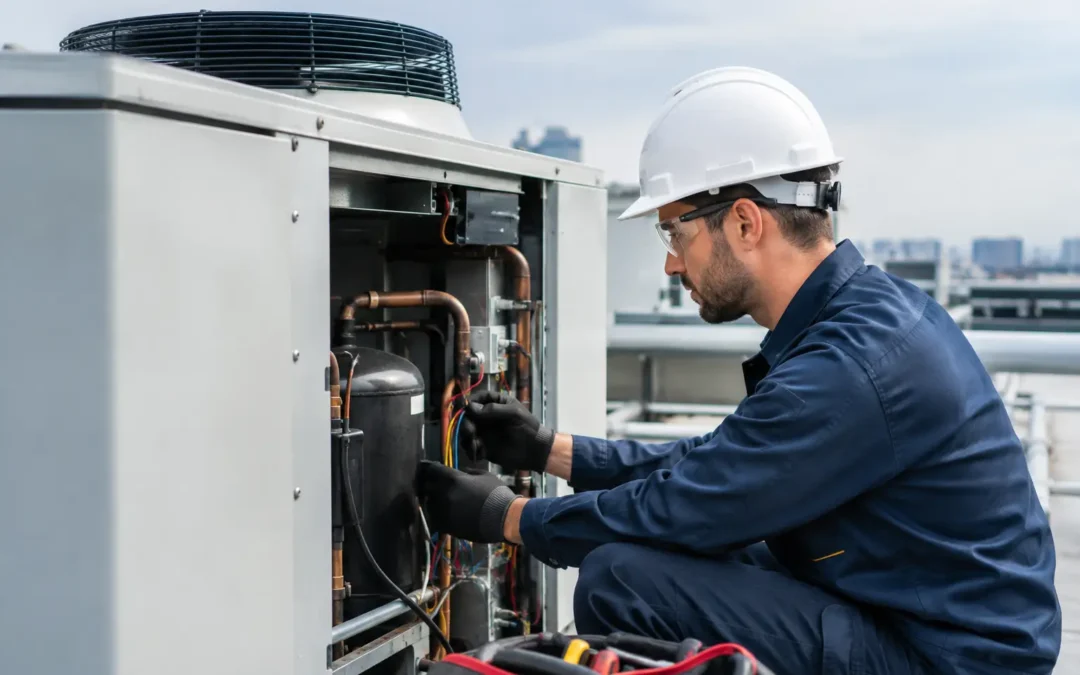
A heating failure rarely arrives at a convenient time. It shows up before employees open the office, during a packed lunch rush, or on the coldest morning of the season. This commercial heating maintenance guide helps Northern Virginia business owners and property managers reduce those surprises, protect occupant comfort, and make better decisions about service, repairs, and replacement.
Commercial heating maintenance is not just about keeping a furnace running. It is about creating a safer, more predictable building operation. A well-maintained system is more likely to heat evenly, use energy efficiently, and reveal developing problems before they become an expensive emergency.
Why commercial heating maintenance deserves a schedule
Heating equipment works hard through Northern Virginia winters, often after sitting unused for months. Dust accumulates, filters become restricted, belts wear, electrical connections loosen, and small combustion or airflow issues can grow quietly. By the time occupants complain about cold rooms, the underlying problem may already be affecting the entire system.
A planned maintenance schedule gives your HVAC technician time to inspect the equipment under controlled conditions. That usually means fewer business interruptions, more options for repair timing, and less pressure to approve a major expense during an emergency.
The right schedule depends on the equipment and the building. A small office with a single rooftop unit may need a different plan than a restaurant, medical office, warehouse, retail center, or multi-tenant property. Buildings with long operating hours, high occupancy, dusty environments, or critical temperature needs generally benefit from more frequent checks.
Start with the equipment you actually have
Before setting a maintenance plan, document each heating asset on the property. Include the system type, manufacturer, model number, approximate installation date, fuel source, service history, and the areas it serves. This record helps your team spot repeat issues and allows a technician to arrive prepared.
Common commercial heating systems include gas furnaces, heat pumps, boilers, rooftop package units, unit heaters, ductless systems, and makeup air equipment. Each has different maintenance needs. For example, a heat pump needs attention to both heating and cooling components, while a gas furnace requires careful inspection of combustion-related parts and safety controls.
If you manage more than one location, keep this information in one accessible place. A clear equipment inventory makes budgeting, warranty tracking, and replacement planning far easier.
What a professional heating maintenance visit should cover
A thorough visit is more than a quick filter change. Certified technicians should evaluate the system’s condition, performance, and safety while looking for issues that may affect reliability.
For most commercial systems, a seasonal heating tune-up should include inspection and service of the following areas:
- Air filters, blower assemblies, belts, motors, and airflow components
- Thermostats, sensors, electrical connections, relays, and control sequences
- Gas lines, burners, ignition systems, heat exchangers, venting, and carbon monoxide safety where applicable
- Heat pump coils, refrigerant-related performance, defrost controls, and outdoor-unit condition
- Condensate drains, drain pans, cabinet integrity, and signs of moisture damage
- Temperature output, unusual noise, cycling patterns, and overall operating efficiency
The exact work will vary by system. A technician may recommend cleaning, adjustment, lubrication, a worn-part replacement, or further diagnostic testing. Good service includes clear explanations of what was found, what needs attention now, and what can be planned for later.
Keep filters and airflow from becoming a larger problem
Restricted airflow is one of the most common and avoidable causes of heating trouble. A dirty filter forces the blower to work harder and can reduce the amount of warm air reaching occupied spaces. In some systems, poor airflow can contribute to overheating, short cycling, frozen components, or premature wear.
Facility staff can often monitor filters between professional visits, but replacement frequency is not one-size-fits-all. A lightly used office may follow a different interval than a busy retail space, pet-friendly business, workshop, or building near ongoing construction. Check filters monthly during the heating season and replace them according to the equipment requirements and actual conditions.
Airflow problems are not always caused by filters. Closed or blocked supply vents, damaged ductwork, failing blower motors, slipping belts, and improperly set dampers can create uneven temperatures. If one side of the building is consistently cold while another is too warm, do not assume the thermostat is the only issue.
Watch for early warning signs
Your staff notices comfort changes long before an HVAC system stops completely. Encourage employees or tenants to report recurring issues with a location and time of day, rather than simply saying the building feels cold. That detail helps identify whether the concern is tied to zoning, airflow, occupancy, equipment capacity, or controls.
Call for service when you notice repeated temperature swings, rooms that never warm up, unfamiliar banging or squealing, frequent cycling, unusual odors, rising utility costs, or a thermostat that does not match the actual room temperature. For gas-fired equipment, take any suspected combustion or carbon monoxide concern seriously and arrange prompt professional evaluation.
Some issues can wait for a scheduled appointment, while others should be addressed immediately. A technician can help you understand that difference, but loss of heat during cold weather, electrical burning smells, water leaks around equipment, or safety alarms should not be treated as routine maintenance items.
Protect the controls that protect your comfort
Heating controls are often overlooked because they are not as visible as the furnace or rooftop unit. Yet a poorly calibrated thermostat, failed sensor, incorrect schedule, or damaged control connection can waste energy and create widespread comfort complaints.
Review operating schedules before the heating season. Make sure the building is not heating empty spaces overnight unless there is a legitimate reason. At the same time, avoid setting schedules so aggressively that equipment must work excessively hard to recover every morning. The most efficient approach depends on insulation, building use, equipment type, and how quickly the space responds to temperature changes.
For larger properties, confirm that zones reflect how the building is actually used. A conference room, server area, storefront entrance, warehouse, and private office may all have different heating demands. Adjusting controls can sometimes solve comfort issues without major equipment changes, but only after a technician verifies that the mechanical system is performing correctly.
Plan repairs and replacement before the decision becomes urgent
Even excellent maintenance cannot make aging equipment last forever. As a commercial system gets older, repairs may become more frequent, parts may be harder to source, and efficiency may decline. The best time to discuss replacement is while the existing system is still operating, not when a failure leaves your business without heat.
There is no single age at which replacement automatically makes sense. Consider the repair history, expected remaining life, energy performance, availability of parts, building comfort needs, and the cost of downtime. A repair may be the practical choice for a newer system with an isolated issue. Replacement may provide better long-term value when repairs are recurring or the equipment no longer supports the property reliably.
Ask for straightforward options and a clear scope of work. Commercial projects can involve equipment sizing, access, electrical requirements, ventilation, ductwork, controls, permits, and scheduling around business hours. A careful plan protects both comfort and the budget.
Make maintenance part of facility planning
The most effective maintenance programs assign clear responsibilities. Facility staff can monitor filters, thermostat concerns, unusual sounds, and visible leaks. A qualified HVAC team handles inspections, cleaning, adjustments, diagnostics, and safety-sensitive work. Property managers or business owners can keep service records, approve planned repairs, and set aside funds for future equipment needs.
Schedule heating maintenance before sustained cold weather whenever possible. Fall service gives you time to address findings before demand for emergency repairs increases. If your business relies on consistent temperatures for customers, employees, inventory, or operations, consider a maintenance agreement that provides recurring visits and a documented service history.
Aircon HVAC Solutions helps commercial clients throughout Northern Virginia maintain heating systems with responsive service, transparent recommendations, and professional care. The goal is not to sell a repair that is not needed. It is to help you keep your building comfortable, safe, and ready for the season ahead.
A dependable heating system starts with attention before there is a problem. Put the next maintenance visit on the calendar now, and your building will be better prepared when cold weather becomes part of the workday.
