

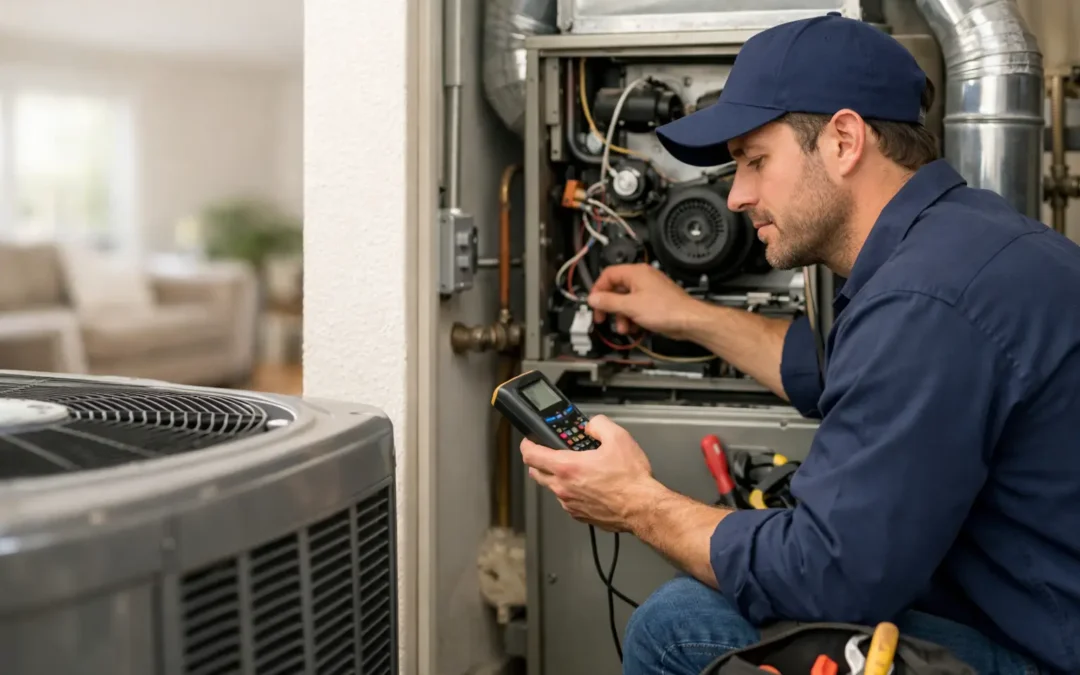
When the heat cuts out on a cold Fairfax morning, comfort stops being a background detail and turns into the only thing that matters. A reliable fairfax heating repair service should do more than show up – it should diagnose the problem clearly, explain your options, and get your home or building warm again without wasting your time.
That matters because heating problems rarely arrive at a convenient moment. A furnace that starts short cycling before sunrise, a heat pump blowing cool air during a weekend cold snap, or uneven temperatures across offices and bedrooms can quickly turn into a bigger disruption. Fast service is important, but so is getting the repair right the first time.
What a Fairfax heating repair service should actually solve
Not every heating issue looks dramatic. Sometimes the system still runs, but it no longer keeps the space comfortable. That can mean weak airflow, rooms that stay cold, unusual smells at startup, loud rattling, rising utility bills, or a thermostat that says one thing while the room feels completely different.
A dependable technician should look past the symptom and identify the real cause. For example, poor heating can come from a failing ignitor, a dirty flame sensor, airflow restrictions, electrical control issues, a refrigerant problem in a heat pump, or even duct leakage. If a company jumps straight to replacing major equipment without testing and explaining, that is usually a sign to slow down and ask more questions.
For homeowners, the goal is simple – restore comfort, protect the equipment, and avoid paying for work that is not necessary. For property managers and commercial clients, there is an added layer. Heating issues affect tenants, staff, customers, and operating hours, so repair speed and communication matter just as much as technical skill.
Common heating problems in Fairfax homes and buildings
Northern Virginia properties use a mix of furnaces, heat pumps, and hybrid systems, which means repair needs can vary. A gas furnace may struggle with ignition or safety switch faults. A heat pump may run constantly without producing enough warmth, especially if outdoor conditions are cold and the unit already has maintenance issues. Older systems can also develop blower motor problems, cracked components, worn capacitors, or failing thermostats.
In many cases, the problem starts small. A clogged filter can restrict airflow enough to stress the blower and reduce heating output. Ignoring that kind of issue can lead to more expensive repairs over time. On the other hand, not every symptom points to a major failure. Strange noises might be caused by a loose panel or worn belt rather than a full breakdown. That is why proper testing matters.
For commercial spaces, the stakes are often higher because heating systems serve larger areas and may involve rooftop units, zoning controls, or more complex ductwork. A quick patch may get the unit running for a day, but a lasting repair requires a careful look at the whole system.
Signs you should call for heating repair now
Some problems can wait a day. Others should not. If your system will not turn on, blows cold air for an extended period, trips breakers, gives off a burning smell, or cycles on and off rapidly, it is smart to schedule service as soon as possible. The same goes for any concern involving gas odors or suspected carbon monoxide risk – in those cases, safety comes first, and the system should be shut down until it is inspected.
There are also quieter warning signs that deserve attention before they turn urgent. If your heating bill climbs without a clear reason, if one floor stays cold while another overheats, or if the system has needed repeated resets, those are often signs of a repair issue rather than simple wear and tear.
Waiting can sometimes seem practical, especially if the system is still producing some heat. But partial performance often means the equipment is working harder than it should. That added strain can shorten equipment life and increase operating costs.
What the repair process should look like
A professional repair visit should feel organized, not rushed. The first step is listening. A good technician will ask what you have noticed, when the issue started, whether the system has been serviced recently, and if the problem is constant or intermittent. Those details help narrow the diagnosis.
From there, testing should drive the next step. That may include checking thermostat communication, voltage, ignitor performance, burners, heat exchanger condition, airflow, blower operation, refrigerant pressures on heat pumps, safety controls, and filter or duct conditions. The exact checklist depends on the system type and the symptom.
Once the issue is identified, the explanation should be clear and practical. You should know what failed, why it matters, whether the repair is urgent, and what the cost will be before work moves forward. Transparent pricing is not just a nice touch – it helps customers make confident decisions without feeling cornered.
A trustworthy company will also tell you when repair is the right choice and when replacement deserves a serious conversation. If the system is relatively new and the issue is isolated, repair usually makes sense. If the unit is older, inefficient, and facing repeated major failures, replacement may be the better long-term value. The right answer depends on age, condition, repair frequency, and overall operating cost.
Repair or replace? It depends on the system
This is where experience matters. Many heating issues are repairable, even when the system stops completely. A failed ignitor, pressure switch, capacitor, inducer motor, or control board does not automatically mean the equipment is finished. In fact, replacing a repairable system too early can cost far more than necessary.
At the same time, holding onto an aging unit at any cost is not always wise. If repairs are stacking up, comfort is inconsistent, and energy use keeps rising, replacement may offer better reliability and lower monthly costs. For commercial clients, downtime and tenant complaints can make that decision even more time-sensitive.
The best recommendation is usually the one that fits both the equipment and the customer. Some people need the most cost-effective short-term repair to get through the season. Others want to invest in a longer-term solution with fewer surprises. A service-first company respects both situations and explains the trade-offs honestly.
Why speed matters, but workmanship matters more
When heat is out, everyone wants immediate help. That urgency is real, and responsive scheduling matters. But fast arrival alone does not fix the problem if the diagnosis is incomplete or the repair is temporary.
A true fairfax heating repair service should balance quick response with solid workmanship. That means certified, insured technicians, accurate troubleshooting, quality parts, and repairs that address the cause instead of the symptom. It also means respecting your home or building while the work is being done and communicating clearly from start to finish.
This is especially important during peak winter demand. Some issues can be repaired on the first visit. Others may require ordered parts or a follow-up. What customers need in those moments is honesty – not vague promises. Clear expectations help reduce stress, especially when the problem affects a family home, a rental property, or a business that needs to stay open.
How to reduce the chance of another breakdown
No heating system lasts forever, but many emergency repairs are tied to skipped maintenance. Seasonal service helps catch worn parts, airflow restrictions, thermostat issues, and safety concerns before they shut the system down. It also helps the equipment run more efficiently, which can reduce monthly energy costs.
Filter changes matter too. So does paying attention to smaller warning signs instead of waiting for a complete failure. If the system sounds different, heats unevenly, or starts running longer than usual, scheduling an inspection early often costs less than waiting.
For property managers and commercial operators, preventive service is even more valuable because one neglected issue can affect multiple occupants. A planned maintenance schedule gives you better control over comfort, cost, and downtime.
Companies like Aircon HVAC Solutions understand that customers are not just looking for a repair ticket to be closed. They want dependable comfort, clear communication, and confidence that the problem was handled the right way.
If your heating system is acting up, the next step should feel straightforward. Get it checked, get a clear answer, and choose the option that restores comfort without guesswork. A warm, dependable space is not a luxury in winter – it is the baseline every home and business should be able to count on.
