

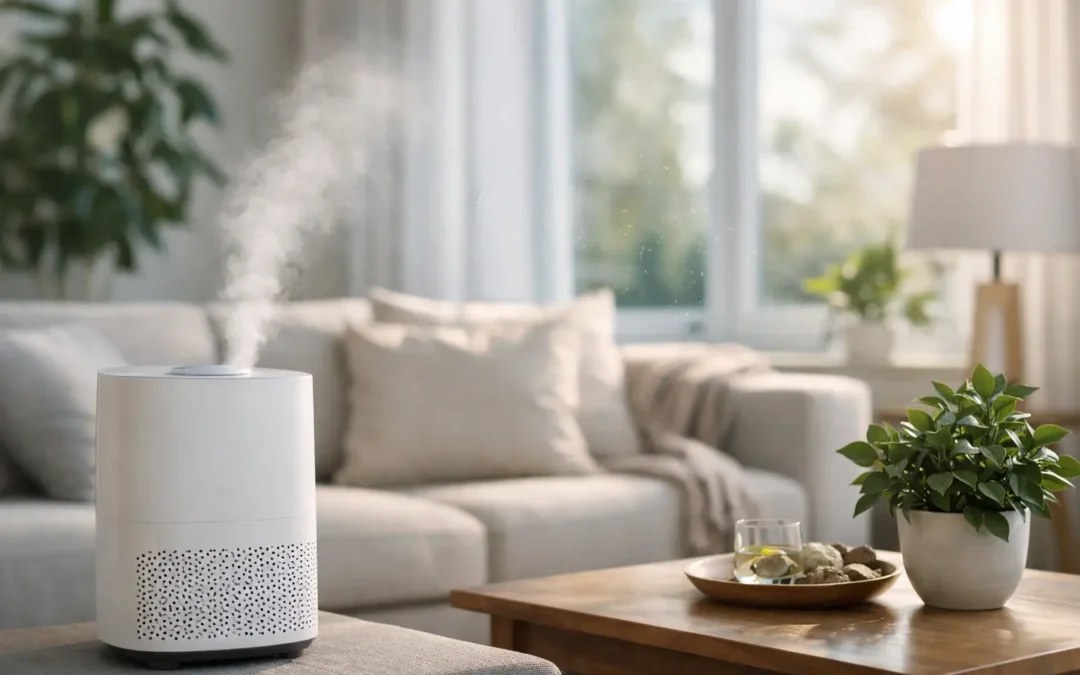
A room can feel clean and still have air that leaves you congested, tired, or uncomfortable. This guide to indoor air quality explains what affects the air inside your home or business, which warning signs deserve attention, and how your HVAC system can help create a healthier, more comfortable space.
For Northern Virginia property owners, indoor air concerns often show up during the seasons when windows stay closed and heating or cooling systems run for long stretches. The goal is not to make your building sterile. It is to reduce common pollutants, control moisture, and bring in or circulate air in the right way.
What Indoor Air Quality Actually Means
Indoor air quality, often called IAQ, describes the condition of the air people breathe inside a building. Good IAQ means the air has appropriate ventilation, manageable humidity, and low levels of irritants or contaminants. Poor IAQ can come from outside air, everyday household products, pets, building materials, plumbing leaks, and an HVAC system that is dirty, undersized, or not operating as it should.
The same issue does not affect every property in the same way. A tightly sealed newer home may hold onto pollutants if fresh-air ventilation is limited. An older home may have drafty areas, dust infiltration, or moisture problems. In an office, a crowded conference room with limited airflow can become uncomfortable even when the thermostat says the temperature is right.
Comfort is often the first signal. If certain rooms feel stuffy, smell musty, collect excessive dust, or seem harder to breathe in, the air deserves a closer look.
Common Sources of Poor Indoor Air
Most indoor air issues are not caused by one dramatic problem. They are the result of several smaller factors working together. Identifying the source matters because the right solution for pet dander is not necessarily the right solution for high humidity or inadequate ventilation.
Dust, Dander, and Particles
Dust is a mix of fibers, pollen, skin cells, soil, and other fine particles. Pet dander, outdoor allergens, and smoke particles can add to the burden. Standard HVAC filters capture some airborne particles, but a filter that is too basic, improperly fitted, or overdue for replacement cannot do its job well.
If you notice dust returning quickly after cleaning, check the filter first. A clogged filter can restrict airflow, reduce comfort, and put added strain on heating and cooling equipment. However, simply choosing the highest-rated filter available is not always the answer. Very dense filters can restrict airflow in systems not designed for them. A professional can help match filtration to your system and household needs.
Moisture and Humidity
Humidity has a major effect on comfort and air quality. High indoor humidity can support mold growth, dust mites, and musty odors. It may be caused by a damp basement, a plumbing leak, poor bathroom ventilation, oversized cooling equipment, or an air conditioner that is not removing moisture effectively.
Low humidity has its own drawbacks. Winter heating can leave the air dry enough to irritate sinuses, skin, and throats. Most homes are most comfortable when relative humidity stays roughly between 30% and 50%, though the best setting depends on the season, the building, and signs of condensation around windows.
Chemical Vapors and Odors
Cleaning sprays, paint, new furniture, air fresheners, candles, and hobby supplies can release volatile organic compounds, or VOCs. These vapors may cause headaches or irritation for some people, especially in enclosed areas with limited airflow.
Start with the simple steps: use products as directed, avoid overusing fragranced items, and ventilate during painting or strong cleaning tasks. Persistent chemical odors, however, may point to a larger ventilation issue that deserves professional attention.
Combustion Appliances
Gas furnaces, fireplaces, water heaters, and stoves must vent combustion gases safely outside. Carbon monoxide is odorless and cannot be identified by smell or appearance. Every property should have working carbon monoxide detectors in the appropriate locations.
If a carbon monoxide alarm sounds, leave the building immediately and contact emergency services or your gas utility as directed. Do not stay inside to investigate the source. For non-emergency concerns, such as soot, recurring exhaust odors, or a yellow furnace flame, arrange a qualified inspection promptly.
A Practical Guide to Indoor Air Quality Improvements
The most effective approach is usually layered. Clean air depends on source control, filtration, humidity management, and ventilation working together. Adding one device without addressing the underlying problem can produce disappointing results.
Begin with maintenance. Replace HVAC filters on schedule based on the filter type, system use, pets, allergies, and construction activity nearby. Many homes need a check every one to three months, but the filter itself should guide the decision. Keep supply and return vents open and clear of furniture, rugs, and storage boxes so air can move as designed.
Next, look for moisture. Check beneath sinks, around water heaters, near windows, and in basements for stains, damp materials, or musty odors. Run bathroom exhaust fans during showers and for a period afterward. Use kitchen ventilation when cooking, particularly with a gas range. Fixing a leak quickly is usually more valuable than trying to cover the resulting odor with a purifier.
Regular HVAC maintenance also supports cleaner air. During service, a technician can evaluate airflow, inspect components that affect dehumidification, identify drainage concerns, and look for duct or equipment issues that may be contributing to uneven comfort. A system that cycles too quickly, runs constantly, or leaves some rooms muggy may need more than a filter change.
When Filtration, Purification, or Ventilation Helps
Indoor air quality equipment should be selected for the problem you are trying to solve. A portable air cleaner may help in a single bedroom, while a whole-home solution can be a better fit for recurring concerns throughout the house. For commercial spaces, occupancy, layout, and operating hours also affect the right plan.
Enhanced media filtration can capture more particles than a basic filter while maintaining suitable airflow when properly designed. This is often a practical option for homes with pets, frequent dust, or seasonal allergy concerns.
Air purification systems can address certain airborne particles, odors, or biological contaminants, depending on the technology and installation. They should not be treated as a substitute for cleaning, leak repairs, proper filtration, or ventilation. Be cautious about products that promise to solve every air problem with one device. The best recommendation begins with an assessment of your HVAC equipment and the conditions inside the building.
Ventilation upgrades may be worth considering in tightly sealed homes, remodels, and commercial settings where stale air is a regular complaint. Controlled fresh-air ventilation can improve air exchange without relying on open windows during humid summer days or cold winter weather. The trade-off is that ventilation must be designed to work with the heating and cooling load, not against it.
Whole-home dehumidifiers are especially useful when your air conditioner cannot keep indoor humidity in check during humid weather. They can improve comfort at a slightly higher thermostat setting, reduce that clammy feeling, and help protect furnishings and building materials from prolonged dampness.
Signs It Is Time to Call an HVAC Professional
Some air quality concerns can be handled with basic maintenance. Others require testing, inspection, or equipment changes. Schedule an evaluation if you have recurring musty odors, visible mold growth, persistent condensation, uneven airflow, excessive dust, high humidity, or family members who feel noticeably worse at home than elsewhere.
It is also wise to call when your system has weak airflow, frequent filter buildup, water around indoor equipment, or rooms that never seem to reach a comfortable temperature. These symptoms may be related to ducts, drainage, system sizing, controls, or ventilation rather than the thermostat alone.
For property managers and business owners, complaints from multiple occupants should be taken seriously. A thoughtful inspection can help distinguish between a localized issue, such as a damp area or blocked vent, and a broader building airflow concern.
Aircon HVAC Solutions can assess the HVAC factors behind comfort and air quality concerns, then recommend practical options with clear expectations and transparent pricing. The right solution may be as straightforward as correcting airflow and filtration, or it may involve ventilation or humidity control designed for the property.
A healthier indoor environment starts with paying attention to what your space is telling you. When the air feels stale, damp, dusty, or consistently uncomfortable, addressing the cause can protect both your comfort and the equipment you depend on every day.
