

A bedroom that feels stuffy by midafternoon while the rest of the house stays comfortable is more than a small annoyance. If you have asked, “why are some rooms hotter,” the answer is usually not that your air conditioner has stopped working altogether. More often, one room is getting more heat than your HVAC system, ductwork, insulation, or airflow setup can effectively handle.
That difference can be especially noticeable during Northern Virginia summers, when direct sun, humidity, and long cooling cycles put every part of a home comfort system to work. Finding the cause matters because simply lowering the thermostat may cool the problem room a little, but it can also leave the rest of the home too cold and increase energy use.
Why Are Some Rooms Hotter Than Others?
Every room has its own heat load. In plain terms, that means each space gains and holds heat differently depending on its location, construction, windows, equipment, and how much conditioned air reaches it.
A room above a garage, at the end of a long hallway, or on the top floor often has a harder job staying cool. So does a room with large west-facing windows or poor attic insulation overhead. Your central AC may be operating correctly, yet the system may not be balanced or sized to overcome the extra heat in that specific area.
The right solution depends on the cause. A closed vent is a simple fix. Leaky ducts, inadequate return air, attic insulation gaps, or an aging system call for a closer assessment. Addressing the actual issue is the best way to improve comfort without creating new problems elsewhere in the building.
Sun Exposure Can Overheat One Side of the Home
Sunlight through windows is one of the most common reasons a room runs hotter than the rest of the house. South- and west-facing rooms receive intense afternoon sun, particularly if they have large, older, or unshaded windows. The glass lets solar heat in, and furnishings, flooring, and walls absorb it throughout the day.
Closing blinds or curtains during peak sun can help, but the type of window covering matters. Light-filtering shades reduce glare but may not block enough heat. Insulated curtains, cellular shades, exterior awnings, and solar-control window film can make a meaningful difference in rooms with heavy sun exposure.
It is also worth looking outside. Mature trees may shade one side of a home while another side receives full afternoon sun. That imbalance is normal, but it may mean the hotter rooms need better insulation, stronger airflow, or targeted zoning to stay comfortable.
Poor Airflow Is Often the Real Problem
Cool air cannot help a room if it does not reach the space in the right volume. Restricted airflow can occur for several reasons, from an overlooked filter to a duct issue hidden above the ceiling or behind walls.
Start with the basics. Make sure supply vents are fully open and not blocked by furniture, rugs, curtains, or boxes. Check that return grilles are clear as well. A return grille pulls air back to the HVAC system, allowing conditioned air to circulate. When a bedroom has a supply vent but no easy path for air to leave, pressure can build up when the door is closed and reduce the amount of cool air entering the room.
A dirty air filter can reduce airflow throughout the house, and it places unnecessary strain on the equipment. Filters should be checked regularly, especially during periods of heavy heating or cooling use. However, avoid assuming that a higher-rated, denser filter is always better. Some systems are not designed for restrictive filters, which can limit airflow if the filter is not selected correctly.
Ductwork can also be the source of the problem. Disconnected runs, crushed flex duct, undersized ducts, poorly sealed joints, or ducts routed through a very hot attic can all keep a room from receiving enough conditioned air. These issues are not always visible from the room itself, which is why a professional airflow evaluation can be more useful than repeatedly adjusting vents.
Insulation and Air Leaks Let Heat In
A hot room may be telling you something about the building envelope, not just the air conditioner. Insulation slows heat transfer, while air sealing stops hot outdoor air from slipping into the home through gaps and cracks.
Top-floor bedrooms are frequent trouble spots because they sit directly below the attic. If attic insulation is thin, uneven, compressed, or missing in places, heat from the roof can move into the ceiling below. In summer, an attic can become far hotter than the outdoor temperature, making it difficult for the AC to keep up in the rooms beneath it.
Air leaks around windows, exterior doors, recessed lighting, attic hatches, plumbing penetrations, and wiring openings can have a similar effect. You may notice hot air, dusty streaks around trim, or a room that heats up quickly once the AC shuts off. Sealing leaks and improving insulation can reduce the workload on your system and improve comfort year-round.
Your HVAC System May Be Unbalanced or Undersized
A central HVAC system needs to deliver the right amount of air to each part of the building. In many homes, this balance changes over time. Renovations, finished basements, additions, replaced windows, changing household needs, or even alterations to ductwork can affect how well the original design performs.
An undersized system may struggle on the hottest days, but bigger is not automatically better. An oversized air conditioner can cool the house too quickly, shutting off before it has circulated air evenly or removed enough humidity. The result can be a home that feels cool near the thermostat but warm, sticky, or uneven in distant rooms.
Thermostat location matters, too. A thermostat in a naturally cool hallway or near a supply vent may satisfy quickly, even while a sunny bedroom remains uncomfortable. Some homes benefit from smart sensors that read temperatures in occupied rooms. Others may need duct balancing, additional return-air capacity, or a zoning solution that allows separate areas to be controlled independently.
Heat Sources Inside the Room Add Up
Not every hot room is a cooling failure. Electronics, lighting, appliances, and people all produce heat. A home office with multiple monitors, a gaming setup, or a printer can feel noticeably warmer than a nearby bedroom. Laundry rooms, kitchens, and rooms near water heaters may also run warm due to appliance operation.
Humidity adds another layer. A room may not be dramatically hotter by thermometer reading, but high humidity can make it feel much less comfortable. If your AC runs but the home feels damp, the issue could involve equipment sizing, system operation, ventilation, or a need for dehumidification.
Before making a major HVAC change, consider the room’s use. A rarely used guest room and a home office occupied all day may need different solutions. Targeted improvements are often more cost-effective than trying to force one thermostat setting to work perfectly for every space.
What You Can Check Before Calling for Service
A few simple checks can help narrow down the issue without taking apart your system. Look for these common signs:
- The supply vent has little or no airflow compared with similar rooms.
- The room becomes hottest when the door is closed.
- The room sits above a garage, below an attic, or faces direct afternoon sun.
- The air filter is dirty, overly restrictive, or overdue for replacement.
- The temperature difference persists even after blinds are closed and vents are clear.
Do not close multiple supply vents in cooler rooms to push air into the hot one. That approach can increase static pressure in the ductwork, reduce system performance, and create avoidable wear on the equipment. Likewise, avoid closing return vents. Your HVAC system was designed to move a specific volume of air, and restricting that circulation can make comfort problems worse.
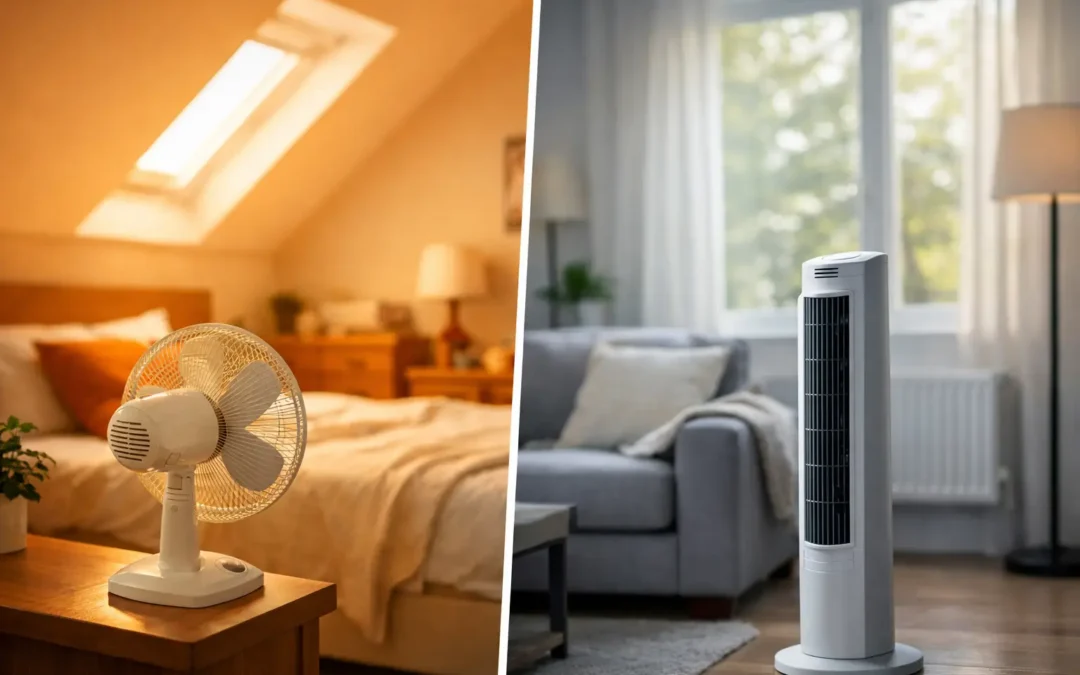
A portable fan can help temporarily by improving air movement, especially in a room with a closed door. It will not lower the actual room temperature on its own, but it can make the space feel more comfortable while the underlying issue is being addressed.
When a Professional Comfort Assessment Makes Sense
If one room stays consistently warmer by several degrees, it is time to look beyond the thermostat. A qualified technician can inspect system performance, temperature split, refrigerant operation, airflow, duct condition, return-air pathways, insulation concerns, and whether the equipment is properly matched to the home.
For commercial spaces, uneven temperatures can affect employee comfort, customer experience, and productivity. Offices with sun-facing glass, server equipment, interior rooms, or changed layouts often need a different airflow strategy than the original system design provided.
Aircon HVAC Solutions helps homeowners and businesses identify the source of uneven heating and cooling, then recommends practical repairs or upgrades with clear explanations. The goal is not to sell a replacement when an adjustment, duct repair, maintenance visit, or indoor air quality improvement will solve the problem.
Comfort should not depend on which room you choose. When one space is always hotter, treat it as useful information about how your home or building is performing, and address it before the next stretch of extreme weather makes the problem harder to ignore.
