

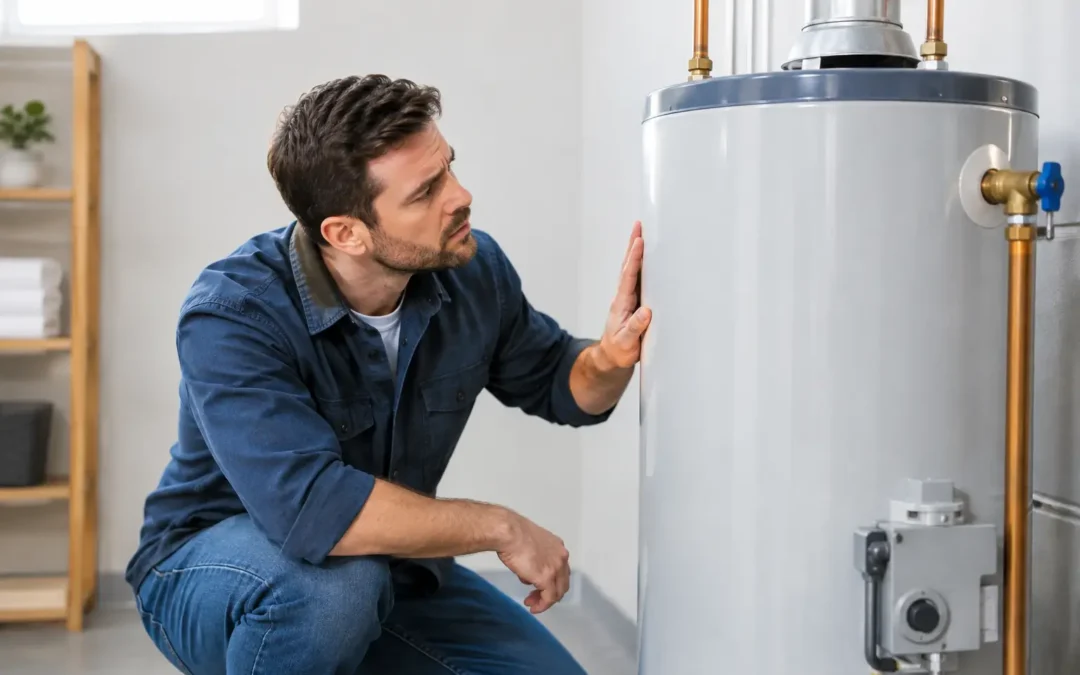
A water heater often works quietly in the background, so a sudden pop, rumble, whistle, or bang can be unsettling. If you are asking, why is water heater noisy, the sound may be caused by normal heating activity, mineral buildup, water pressure, or a component that needs professional attention. The key is knowing which noises can wait for scheduled service and which ones deserve a faster response.
For homeowners and property managers in Northern Virginia, addressing water heater noises early can help prevent reduced efficiency, inconsistent hot water, and avoidable repairs. Here is what common sounds usually mean and what to do next.
Why Is Water Heater Noisy? Start With the Sound
The type of noise, when it occurs, and whether your hot water performance has changed all offer useful clues. A noise that happens only during a heating cycle may point to sediment inside a tank. A constant high-pitched sound can be more closely tied to water flow or pressure.
Do not assume every sound means the water heater is failing. At the same time, a noisy unit should not be ignored for months, especially if it is older, leaking, producing rusty water, or struggling to keep up with demand.
Popping or Crackling: Sediment in a Tank Water Heater
Popping, crackling, or a sound similar to popcorn is one of the most common water heater complaints. In a traditional storage-tank water heater, minerals in the water can settle at the bottom of the tank over time. When the burner or electric elements heat the water beneath that layer, steam bubbles push through the sediment and create popping noises.
This is especially common in areas with harder water. A small amount of sediment is not always an emergency, but buildup makes the unit work harder to heat water. That can increase energy use, reduce available hot water, and place extra strain on the tank.
Professional flushing may remove loose sediment and improve performance. However, heavily compacted buildup does not always flush out cleanly, particularly in an older water heater. A technician can assess whether maintenance is worthwhile or whether replacement is the more practical long-term choice.
Rumbling or Booming: More Advanced Mineral Buildup
A deep rumble or occasional booming sound often points to a thicker layer of hardened sediment. As water becomes trapped beneath that layer and heats up, it can produce larger bursts of steam. The result is a louder, lower-pitched noise than ordinary popping.
Rumbling does not necessarily mean the tank will fail immediately. Still, it is a sign to schedule service rather than wait for a complete loss of hot water. Left unresolved, sediment can contribute to overheating, inefficient operation, and premature wear.
If the noise is accompanied by water around the base of the unit, call for service promptly. A leak may come from a connection or valve, but a leaking tank itself generally cannot be repaired and may need replacement.
Whistling or Screeching: Restricted Water Flow
A whistling, squealing, or high-pitched sound can occur when water is forced through a partially closed valve or a restricted connection. Check whether the cold-water supply valve above the heater is fully open. If it is not, opening it carefully may stop the sound.
The temperature and pressure relief valve, commonly called the T&P valve, can also make a whistling sound if it is releasing pressure or allowing water to pass. This safety component is essential, so do not cap it, block its discharge pipe, or attempt to disable it.
A whistling T&P valve may reflect excessive water pressure, overheating, a failing valve, or an expansion issue in the plumbing system. Because these conditions can affect safety, a qualified technician should diagnose persistent whistling rather than treating it as a minor annoyance.
Hissing: A Possible Leak or Pressure Issue
Hissing can be as simple as normal water movement, but it can also signal that water is escaping from a fitting, valve, or the tank itself. Inspect the area around the heater for moisture, drips, corrosion, or water pooling on the floor. Do not touch exposed electrical connections or attempt to tighten parts on a hot, pressurized system.
If you see active leaking, turn off the water supply to the heater if it is safe to do so and contact a professional. For an electric model, avoid handling the unit until power has been shut off at the breaker. For a gas unit, leave gas-line work to a trained technician.
Banging or Knocking: Plumbing Movement and Water Hammer
A sharp bang or knock is not always coming from the water heater itself. It may be water hammer – a pressure surge that occurs when flowing water stops suddenly. Loose pipes can also move and strike framing when hot water starts or stops.
If the sound happens when a faucet, washing machine, dishwasher, or valve closes, water hammer is a likely possibility. A plumber or HVAC professional can evaluate water pressure, pipe support, and whether a water hammer arrestor or expansion tank is needed.
When the banging begins only while the water heater heats, sediment or thermal expansion may be contributing instead. The timing matters, which is why it helps to note when you hear the noise before scheduling service.
Noises From Tankless Water Heaters
Tankless water heaters do not store a large volume of water, but they can still make sounds that deserve attention. Clicking may occur as the ignition system starts. A brief fan sound is also normal on many gas tankless models. Repeated clicking without hot water, however, may indicate an ignition, gas supply, venting, or control issue.
Whistling or rumbling in a tankless unit can result from mineral scale inside the heat exchanger. Regular descaling is particularly valuable where water hardness is a concern. Ignoring scale can reduce flow, limit heating performance, and shorten the life of key components.
Because tankless systems have specialized controls, venting requirements, and higher flow demands, repairs should be handled by a technician trained to work on the specific fuel type and equipment design.
When a Noisy Water Heater Needs Immediate Attention
Some sounds are inconvenient. Others can point to conditions that should be checked quickly. Contact a qualified professional as soon as possible if you notice any of the following:
- Water leaking from the tank, fittings, or pressure relief discharge pipe
- A gas odor, repeated burner shutdowns, or soot around a gas water heater
- Loud whistling from a relief valve or signs that the unit is overheating
- Discolored hot water, a metallic smell, or a sudden decline in hot-water capacity
- Electrical buzzing, tripped breakers, or visible damage around an electric water heater
If you smell gas, leave the area, avoid switches or open flames, and contact your gas utility or emergency services from a safe location. Do not try to locate or repair a suspected gas leak yourself.
Can You Prevent Water Heater Noise?
Regular maintenance is the most effective way to reduce many water heater noises. For a tank-style unit, this may include periodic tank flushing, checking the anode rod, inspecting valves and connections, and verifying safe temperature settings. Most households do well with a water heater setting around 120 degrees Fahrenheit, though individual needs and local requirements can vary.
Tankless systems benefit from scheduled descaling and filter maintenance. The right maintenance interval depends on water quality, system usage, and manufacturer recommendations. A busy household, multi-unit property, or commercial building may need more frequent attention than a lightly used home.
It is also wise to have a professional check water pressure and thermal expansion when plumbing noises persist. High pressure can affect more than the water heater – it can strain fixtures, appliances, and pipe connections throughout the property.
Get Clear Answers Before a Small Noise Becomes a Bigger Repair
A noisy water heater does not always require replacement, but it does deserve an informed diagnosis. Aircon HVAC Solutions helps homeowners and businesses identify whether the issue is sediment, pressure, a valve, a leak, or an aging system nearing the end of its service life. You can expect clear recommendations, transparent options, and work focused on restoring reliable hot water.
If the sound is getting louder, your hot water is becoming less dependable, or you have noticed any sign of leaking or pressure trouble, schedule an inspection before the next cold shower or unexpected shutdown makes the decision for you.
