

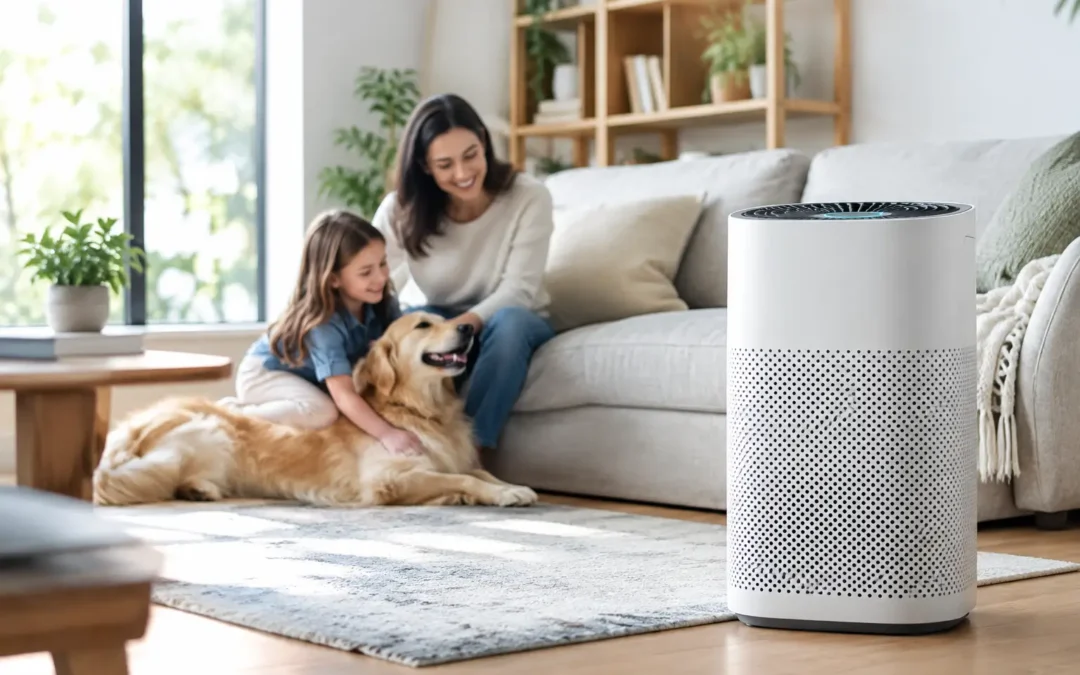
That dusty layer on furniture, lingering cooking odors, and a family member who always seems congested at home can point to an indoor air quality problem. A useful air purifier system review should look beyond marketing claims and focus on what the equipment can actually remove, how it fits your HVAC system, and whether it addresses the issue you are experiencing.
For Northern Virginia homeowners and property managers, the right solution is rarely about buying the most expensive unit. It is about matching filtration and purification to the building, the occupants, and the source of the concern. A portable purifier may be a smart answer for one bedroom. A whole-home solution may offer better coverage for a busy household, office, or multi-room property.
What Most Air Purifier Reviews Miss
Many reviews focus on a single feature, such as a high-efficiency filter, a smart app, or the size of a unit. Those details matter, but they do not tell the full story. Indoor air is affected by the home’s layout, HVAC airflow, humidity level, outdoor air entering the building, pets, cleaning products, cooking, and the condition of the ductwork.
A purifier cannot correct every air quality issue on its own. If moisture is feeding mold growth, if a bathroom fan is not venting properly, or if your HVAC filter is poorly fitted, clean-air equipment should be part of a broader plan. The best results come from identifying the source first, then choosing equipment that works with the building rather than against it.
Coverage claims also deserve a close look. A portable unit may list a large room size, but real performance depends on how often it can circulate and filter the air in that room. High ceilings, open floor plans, closed doors, and furniture placement all affect results.
Portable Units vs. Whole-Home Systems
Portable air purifiers are practical when the concern is limited to a specific space. They can be placed in a bedroom for allergy relief, a nursery, a home office, or a room where a pet spends most of its time. They are generally simpler to install and give occupants direct control over fan speed and operating hours.
Their limitation is coverage. A portable unit only treats the air that reaches it. Moving one unit from room to room can help, but it will not provide consistent purification throughout the home. Multiple units can also mean more filter changes, more outlets in use, and more equipment to manage.
Whole-home air purification systems are installed as part of the HVAC system. As heating or cooling equipment circulates air, the purifier treats air moving through the return and supply system. This approach is often a better fit for homes with widespread allergies, recurring dust, multiple pets, or concerns that affect several occupied rooms.
A whole-home system is not automatically the right answer for every property. It requires a compatible HVAC setup and professional installation. The system should be selected based on available space, airflow, filter access, and the capacity of the existing blower. A poorly chosen high-resistance filter can restrict airflow and create unnecessary strain on heating and cooling equipment.
Air Purifier System Review: Filters and Technologies
The filter or technology inside a purifier determines what it is designed to address. There is no single component that handles every type of contaminant equally well.
Mechanical filtration captures particles as air passes through the media. In a portable unit, a true HEPA filter is commonly used to capture fine airborne particles such as pollen, dust, pet dander, and some smoke particles. In a central HVAC system, higher-rated media filters, often in the MERV 11 to MERV 13 range, can improve particle capture when the equipment can support them.
Activated carbon is used for odors and certain gaseous compounds. It can help with smells from cooking, pets, smoke, and household products, but the amount of carbon matters. A thin carbon layer may reduce light odors for a limited time, while a more substantial carbon filter is better suited to persistent odor concerns. Carbon eventually becomes saturated and must be replaced.
Some systems use ultraviolet light or electronic treatment technologies. UV equipment may be useful in certain HVAC applications, particularly where moisture can support biological growth near indoor coils. However, UV light is not a substitute for filtration, humidity control, or cleaning a contaminated system. Electronic air cleaners and ionization products should be evaluated carefully, including their maintenance needs and whether they produce ozone or other byproducts.
The strongest choice is often a combination: effective filtration for particles, carbon for odors, and ventilation or humidity improvements when the building needs them. The right mix depends on what is in the air and why it is there.
Match the System to the Problem You Want to Solve
Allergy symptoms often call for improved particle filtration, especially during high-pollen periods. In that case, a properly selected media filter or a HEPA portable purifier in the bedroom may make a meaningful difference. Keeping windows closed during high pollen days and maintaining the HVAC system supports the equipment’s performance.
Pet dander is also a particle issue, but homes with pets frequently have odor concerns as well. Filtration can capture dander, while carbon helps address odors. Regular vacuuming, grooming, and washing pet bedding remain part of the solution because no purifier can remove debris before it becomes airborne.
Smoke and cooking odors require more nuance. Fine particles from smoke can be filtered, but odor and gas components need adequate carbon and, in some situations, better kitchen exhaust ventilation. If smoke enters the home from outdoors, sealing gaps and checking the home’s ventilation strategy can be as important as the purifier itself.
For musty odors or visible signs of mold, start with moisture. A purifier may reduce airborne particles, but it cannot eliminate active growth behind drywall, under flooring, or around a leaking pipe. Dehumidification, drainage corrections, and proper remediation should come first.
Installation and Maintenance Determine Results
A whole-home purifier should never be selected by filter rating alone. A qualified HVAC professional should consider the system’s static pressure, blower performance, duct configuration, and access for service. The goal is cleaner air without reducing comfort, increasing noise, or compromising heating and cooling performance.
Maintenance is equally important. Filters need to be changed on schedule, not only when they look dirty. A filter loaded with dust can reduce airflow and make the system work harder. Replacement timing varies based on the filter type, household activity, pets, renovations, and seasonal use, so manufacturer guidance is a starting point rather than a permanent rule.
Portable units need attention too. Pre-filters should be cleaned when applicable, and replacement filters should be the correct type for the model. Running a purifier on its lowest setting may be quieter, but it may not circulate enough air to make a noticeable difference in a larger room.
Questions to Ask Before You Buy
Before choosing equipment, clarify whether the concern is dust, allergies, odors, smoke, excess humidity, or a combination of issues. Then consider the square footage that needs treatment, whether doors are typically open or closed, and whether the problem is concentrated in one room or present throughout the building.
Ask how often filters need replacement, what those replacements cost, and whether the system can be serviced easily. For whole-home options, ask whether the proposed equipment is compatible with the existing HVAC system and how it may affect airflow. Clear answers upfront help prevent an indoor air quality upgrade from becoming an avoidable comfort issue later.
If you are unsure where to start, an indoor air quality assessment can provide a clearer path than relying on broad product claims. Aircon HVAC Solutions can evaluate your HVAC setup, discuss the concerns you notice at home or work, and recommend practical options that support cleaner air and dependable comfort. The best purifier is the one that fits your space, is maintained correctly, and solves the problem you actually have.
