

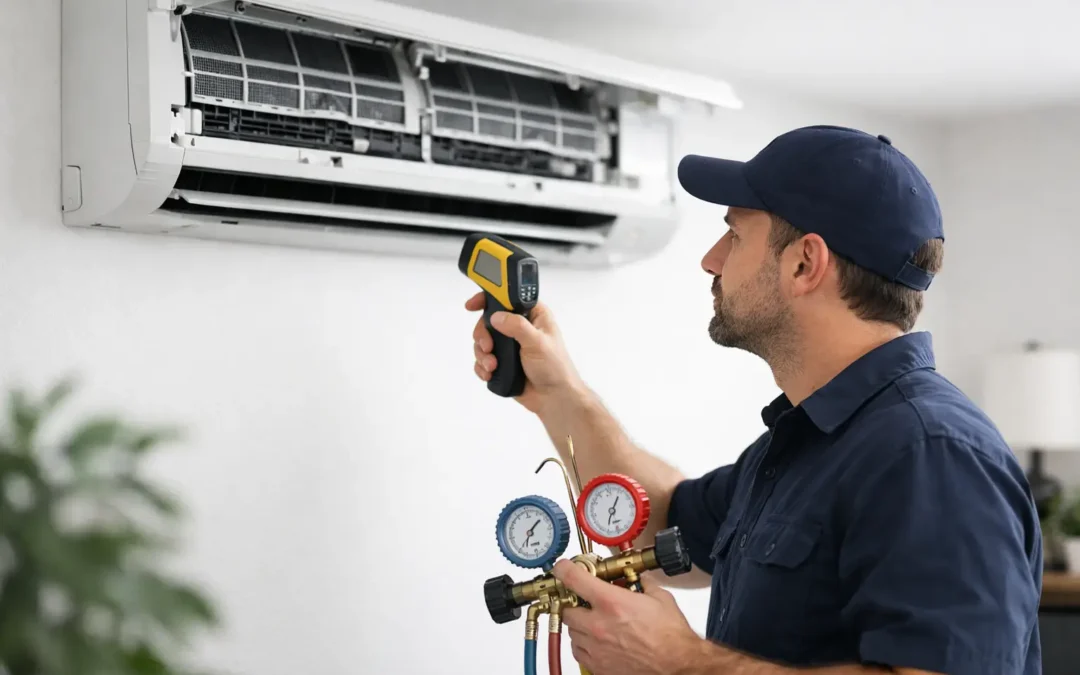
Your AC is running, the thermostat says everything is fine, and the house still feels warm and sticky. If you need to fix air conditioner not cooling problems, the right next step depends on whether the issue is something simple, like airflow or thermostat settings, or a mechanical problem that needs professional repair.
When an air conditioner stops cooling properly, most homeowners want one answer fast: is this a quick fix or a service call? The honest answer is that it can be either. Some cooling problems start with a dirty filter or blocked outdoor unit. Others point to refrigerant loss, electrical trouble, frozen coils, or failing components. Knowing the difference can save time, prevent added damage, and help restore comfort sooner.
Fix air conditioner not cooling: start with the basics
Before assuming the system has failed, check the easiest issues first. A surprising number of no-cooling calls begin with settings, power interruptions, or restricted airflow.
Start at the thermostat. Make sure it is set to cool, not fan or heat, and confirm the temperature is set lower than the current room temperature. If the screen is blank or unresponsive, the batteries may need to be replaced or the circuit serving the system may have tripped.
Next, inspect the air filter. If it is clogged with dust and debris, your system may not be moving enough air across the evaporator coil to cool the home properly. In some cases, restricted airflow can even cause the coil to freeze, which makes cooling worse instead of better. Replacing a dirty filter is one of the simplest and most effective first steps.
Then look at the vents and returns inside the home. Closed supply vents, blocked return grilles, or furniture pressed against airflow pathways can reduce performance more than people expect. Your system needs balanced airflow to cool evenly.
Outside, check the condenser unit. Leaves, grass clippings, dirt buildup, or overgrown shrubs can trap heat around the equipment and reduce cooling capacity. If the unit is visibly dirty, a gentle surface cleaning around the cabinet can help, but avoid bending fins or using excessive water pressure.
Why your AC runs but does not cool
If the system powers on but the air coming through the vents is not cold enough, the issue usually falls into one of a few categories.
Airflow problems
Poor airflow is one of the most common reasons cooling drops off. A dirty filter is the easiest example, but it is not the only one. Blower motor problems, clogged evaporator coils, duct leaks, or blocked return air can all make the house feel warmer even while the system runs longer.
This is also where an “it depends” answer matters. Weak airflow in one room may suggest a duct or vent issue. Weak airflow throughout the building could mean a blower problem or a heavily restricted filter. The symptom looks similar, but the repair is not always the same.
Refrigerant issues
Your AC does not consume refrigerant like fuel. If refrigerant is low, that usually means there is a leak. Low refrigerant can lead to warmer supply air, longer run times, ice on the indoor coil, and rising utility bills.
This is not a DIY repair. Refrigerant handling requires proper tools, training, and system testing. Simply adding refrigerant without finding the leak is usually a short-term patch, not a real solution.
Frozen evaporator coil
A frozen coil can stop cooling almost completely. You may notice little airflow, warm air, water around the indoor unit after thawing, or visible ice on refrigerant lines.
The cause is often restricted airflow or refrigerant problems. If you suspect a frozen coil, turn the system off at cooling mode and switch the fan to on to help thaw it. Do not keep forcing the AC to run. That can strain the equipment and lead to more extensive repairs.
Outdoor unit problems
If the condenser is not rejecting heat properly, indoor comfort will drop. A failed capacitor, worn contactor, damaged fan motor, dirty condenser coil, or electrical issue can all interfere with cooling.
Sometimes the outdoor unit may hum but not start. Sometimes the fan runs, but the compressor does not. These are clear signs that basic homeowner checks are no longer enough.
How to fix air conditioner not cooling without making it worse
There is a big difference between helpful troubleshooting and accidental damage. If you are trying to fix air conditioner not cooling issues on your own, stay focused on safe checks that do not involve opening electrical panels or handling refrigerant.
Replace the filter if it is dirty. Confirm the thermostat settings are correct. Make sure the drain line is not obviously overflowing. Clear debris around the outdoor condenser and make sure the disconnect switch near the unit has not been turned off.
If the system appears frozen, let it thaw completely before restarting it. That process can take several hours. Once thawed, install a clean filter and test the system again. If it freezes a second time, there is likely an underlying issue that needs professional diagnosis.
Also pay attention to the age and condition of the system. An older AC with repeated cooling issues may still be repairable, but cost-effectiveness becomes part of the conversation. A newer system with sudden performance loss often points to a specific repair rather than full replacement.
Signs you should call an HVAC professional
Some problems move beyond routine maintenance very quickly. If your AC trips the breaker repeatedly, makes buzzing or grinding sounds, leaks refrigerant, freezes up more than once, or blows warm air after you have already changed the filter and checked the thermostat, it is time for service.
Commercial spaces and rental properties add another layer of urgency. A cooling problem in an office, retail space, or occupied property is not just uncomfortable. It can affect operations, tenant satisfaction, electronics, and indoor air quality. Fast, accurate repair matters.
A professional diagnosis also matters when the symptom is vague. Uneven cooling, short cycling, high indoor humidity, and rising energy costs can all signal early system trouble. These issues do not always look dramatic, but they often get more expensive when ignored.
For homeowners and property managers in Northern Virginia, summer heat and humidity can put a stressed system over the edge fast. Quick response is not just about convenience. It can help prevent compressor damage, water problems from frozen coils, and longer periods without cooling.
Repair or replace? It depends on the bigger picture
Not every no-cooling problem means you need a new system. In many cases, a targeted repair restores full performance. Capacitors fail. Contactors wear out. Drain lines clog. Thermostats malfunction. These are common service issues and often manageable when caught early.
At the same time, replacement may be worth considering if the system is older, uses outdated refrigerant, needs frequent repairs, or has lost efficiency year after year. The cheapest immediate repair is not always the best long-term value.
That is where clear pricing and honest recommendations matter. A good HVAC partner should explain what failed, what it will take to correct it, and whether the repair makes sense based on the age and condition of the equipment. You should not have to guess whether you are making a smart decision.
The best way to avoid future cooling problems
The simplest way to reduce AC breakdowns is consistent maintenance. That means changing filters on schedule, keeping the outdoor unit clear, checking for airflow issues, and having the system professionally inspected before peak cooling season.
Preventive service does more than clean equipment. It helps catch weak electrical parts, refrigerant issues, drainage problems, and wear before they leave you with a hot house on the worst day of summer. For many property owners, that predictability is just as valuable as the repair itself.
Air conditioning problems rarely improve on their own. If your system is not keeping up, the smartest move is to act early, correct the real cause, and get your comfort back before a small issue becomes a larger one.
