

A new air conditioner usually becomes urgent on the hottest week of the year, right when your old system starts blowing warm air, running nonstop, or failing altogether. That is exactly when a homeowner guide to AC installation matters most – not just to choose a unit, but to avoid paying for the wrong one, rushing into a poor install, or ending up with uneven cooling for years.
AC installation is not just about swapping one box for another. The quality of the installation affects energy bills, comfort, indoor humidity, noise levels, and how long the system lasts. A good system that is installed poorly can still disappoint. A well-matched system installed with care can keep your home comfortable through Northern Virginia summers without constant repairs or rising utility costs.
What a homeowner guide to AC installation should help you decide
Most homeowners start with one question: what size unit do I need? That is important, but it is not the only thing that matters. Proper installation starts with understanding the home, not just the old equipment.
A contractor should look at square footage, insulation, ceiling height, window exposure, duct condition, and the number of people living in the home. If they only glance at the label on your current system and recommend the same size, that should raise concerns. Homes change over time. Finished basements, added insulation, new windows, or room additions can all affect cooling demand.
The goal is not to install the biggest unit your budget allows. Oversized systems can short cycle, cool too quickly, and leave humidity behind. Undersized systems can run constantly and still struggle on the hottest days. In both cases, comfort suffers.
Choosing the right type of system
For many homes, central air remains the most practical option, especially if ductwork is already in place and in good shape. It offers whole-home cooling and tends to be the most familiar setup for homeowners replacing an aging system.
If your home has no ducts, certain rooms never cool properly, or you are adding conditioned space, a ductless mini-split may be the better fit. It gives you more zoning control and can work well for additions, older homes, or spaces that need targeted comfort.
In some cases, a heat pump makes more sense than a traditional AC. Homeowners in this region often benefit from the efficiency and year-round flexibility a heat pump can provide, especially when paired with the right backup heating strategy. The best option depends on your home, your existing equipment, and whether you are focused mostly on replacement cost, monthly efficiency, or long-term value.
The installation details that affect performance
Homeowners often compare brands, but installation quality deserves at least as much attention. The system needs to be properly sized, yes, but it also needs correct airflow, refrigerant charge, electrical connections, drainage, and thermostat setup.
Ductwork is one of the biggest hidden factors. If ducts are leaking, undersized, poorly insulated, or laid out badly, a brand-new air conditioner may still leave hot spots in bedrooms or upstairs areas. Sometimes the right move is not just a new condenser and coil. It may include duct repairs, sealing, or adjustments that help the entire system do its job.
The same goes for the indoor coil and air handler or furnace connection. An AC system is made up of parts that must work together. Mismatched components can reduce efficiency and shorten equipment life. A careful installer checks compatibility instead of forcing a replacement into an existing setup that is not ideal.
What the AC installation process usually looks like
A professional installation should feel organized, not rushed. First comes the evaluation, where the contractor reviews your current system, home layout, cooling concerns, and budget. You should get clear recommendations, not vague promises.
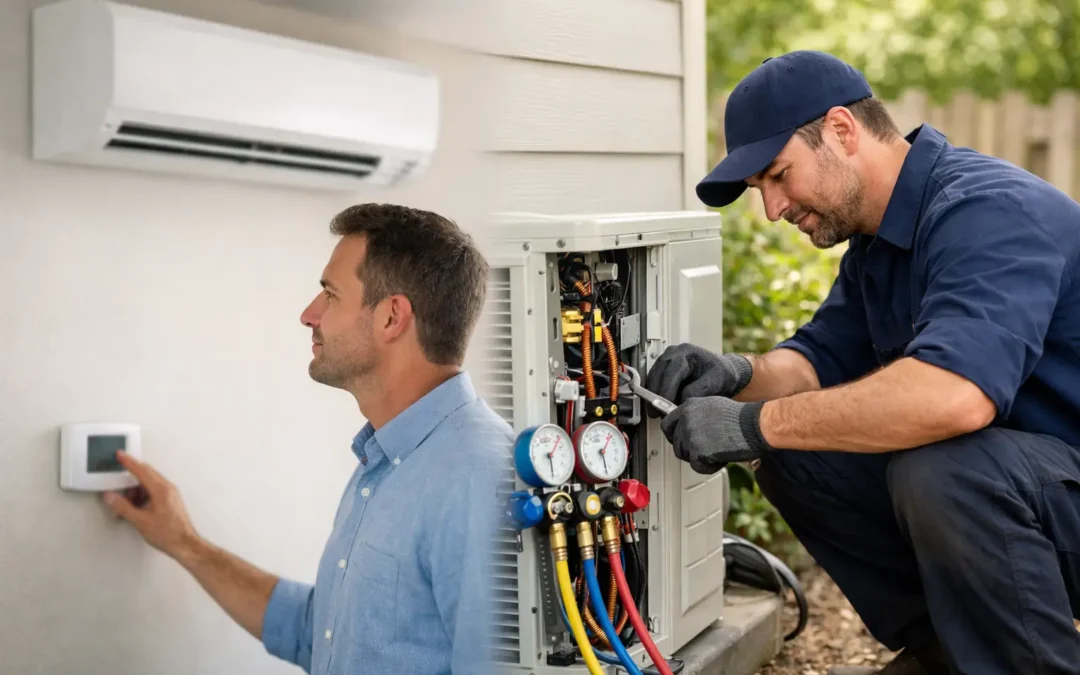
Once you choose the equipment, the old system is removed and disposed of properly. The new outdoor and indoor components are installed, refrigerant lines are connected or replaced if needed, electrical connections are completed, and the system is tested. The installer should also check airflow, thermostat operation, condensate drainage, and overall system performance before calling the job finished.
For a straightforward replacement, installation may be completed in a day. More complex projects can take longer, especially if duct modifications, code updates, or electrical work are required. That is not necessarily a bad sign. Sometimes a longer job reflects a more thorough one.
Understanding cost without chasing the lowest number
Every homeowner wants a fair price. That makes sense. But the lowest quote is not always the best value, especially with HVAC.
Installation cost depends on system size, efficiency rating, equipment type, brand, ductwork needs, thermostat upgrades, and whether any related components need replacement. Homes with tight attic access, older electrical systems, or damaged ductwork may require more labor. That is why two quotes for the same home can differ.
What matters is whether the proposal is clear. You should know what equipment is being installed, what labor is included, whether permits are part of the price, and what warranty coverage applies. Transparent pricing gives you something real to compare. A vague low quote can quickly become more expensive if important work was left out.
Questions worth asking before you approve the job
A reliable contractor should be comfortable answering direct questions. Ask how they determined the system size. Ask whether your ductwork was evaluated. Ask what efficiency options make sense for your home, not just what is available.
It also helps to ask who will perform the installation, whether technicians are licensed and insured, and what happens if issues come up after the job is complete. Good service does not stop when the truck pulls away. Homeowners need confidence that support will still be there if something needs adjustment.
If you are comparing estimates, pay attention to who explains the work clearly. Professionalism matters. So does responsiveness. If communication is confusing before the install, it rarely gets better after.
Timing your installation when you can
The best time to replace an air conditioner is usually before it fails completely. That gives you more time to compare options, ask questions, and schedule the job before peak demand hits. Waiting until the middle of a heat wave often means making a fast decision under pressure.
Of course, not every replacement is planned. If your system stops during a Virginia summer, speed matters. In that situation, it helps to work with a company that can respond quickly without cutting corners. Fast service is valuable, but so is doing the job right the first time.
Spring and early fall can be easier times to schedule non-emergency replacements, though availability varies. If your current system is aging, needs frequent repairs, or struggles to keep up, planning ahead is usually the smarter move.
Energy efficiency, comfort, and long-term value
A high-efficiency unit can lower operating costs, but the highest rating is not automatically the best choice for every home. The right balance depends on how long you plan to stay in the house, your current utility costs, and whether the rest of the system can support that efficiency.
For example, if your ductwork leaks badly, investing in premium equipment without addressing those losses may not deliver the comfort or savings you expect. On the other hand, if your home is well sealed and your usage is high, a more efficient system may pay off more quickly.
Comfort is about more than temperature. Humidity control, airflow balance, and consistent cooling from room to room often matter just as much. That is why installation should focus on the whole home instead of just the equipment rating.
After installation, what homeowners should expect
Once the system is in place, your installer should show you how the thermostat works, explain basic maintenance, and let you know what normal operation sounds and feels like. You should not be left guessing.
Air filter changes, seasonal tune-ups, and keeping the outdoor unit clear of debris all help protect your investment. New equipment still needs maintenance. Skipping service can reduce efficiency and increase wear, even on a brand-new system.
If something feels off after installation, such as weak airflow, unusual noise, or rooms cooling unevenly, say something early. Small issues are easier to correct before they become long-term frustrations.
For homeowners who want reliable comfort without second-guessing every decision, the best AC installation experience comes down to clear recommendations, careful workmanship, and service that respects your time and home. Aircon HVAC Solutions believes that when a system is installed properly, comfort should feel simple – steady temperatures, manageable energy bills, and one less thing to worry about when summer settles in.
